Grinding Trains Library
A searchable encyclopedia of rail grinding trains, high-speed grinding systems and transit grinders used across mainline, heavy-haul, metro and tram networks.
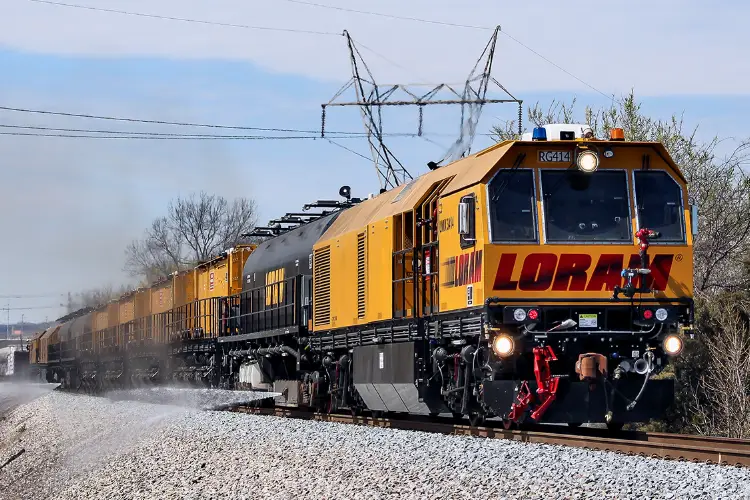 Loram RG400 · Production rail grinding
What are grinding trains?
A rail grinding train is a specialised maintenance vehicle—or a multi-vehicle consist—used to restore the rail profile and remove surface defects.
Controlled material removal helps manage corrugation, rolling contact fatigue and profile deviation. Fleets range from compact road-rail machines and turnout grinders to production trains with more than 100 grinding motors.
Global grinding train manufacturers
The market includes specialist grinding contractors, railway equipment manufacturers and rail-processing technology companies.
| Manufacturer | Country | Technology | Models |
|---|---|---|---|
| Loram | USA | Conventional grinding | RG400 · C44 · RGC · RGI · RGS · RGX · MRG |
| Harsco Rail | USA | Conventional grinding | PGM96 · RGH20C · RGH10C · Möser |
| Speno | Switzerland | Conventional grinding | RR 24 M · RR 48 M · SRR16M-1 |
| Vossloh | Germany | High-speed grinding | HSG-2 · HSG-city |
| Plasser & Theurer | Austria | Conventional grinding | ATMO |
| CRRC | China | Conventional grinding | GMC-96B · PGM-48 |
| GEMAC | China | Conventional grinding | CMC20 |
| AUTECH | Switzerland | Oscillating grinding | AT VM 8000 · AT 2200 |
| Schweerbau | Germany | Conventional grinding | GWM 550 |
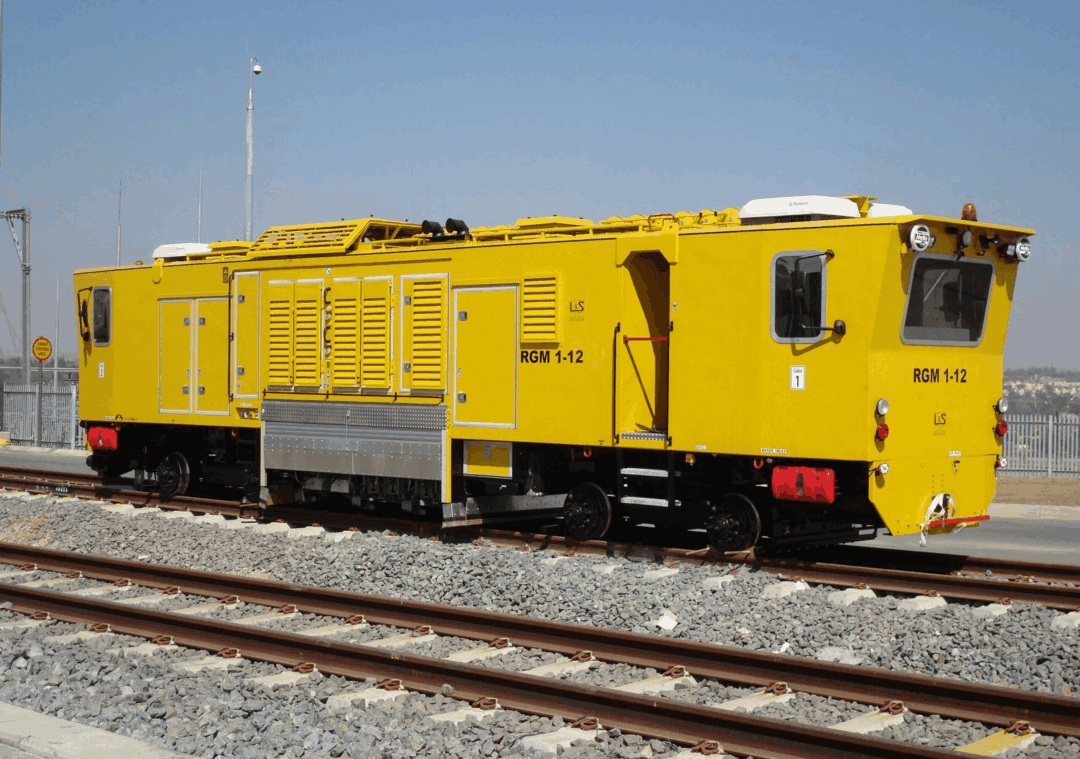
 L&S | Germany | Conventional grinding | RGM 1-12 |
 Qiqihar Railway Equipment | China | Conventional grinding | GMC12-III |


Browse rail grinding machines
Loram
US railway maintenance specialist with production, specialty and transit grinding platforms for freight, passenger and urban networks.
RG400
Heavy haul · Freight · Mainline
View details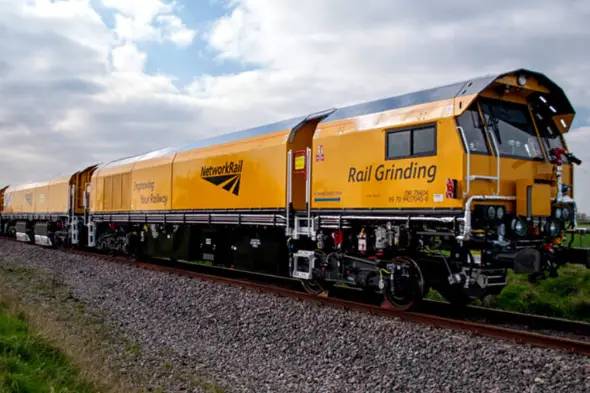
C44
Mainline · High-speed rail
View details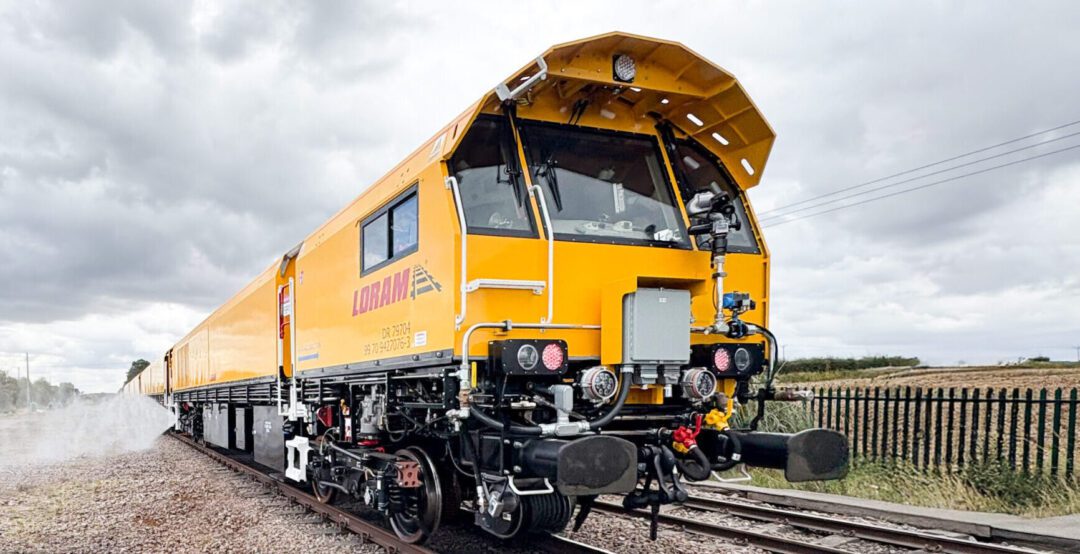
RGC
Passenger rail · Metro · Mainline
View details
RGI
Mainline · Passenger rail
View details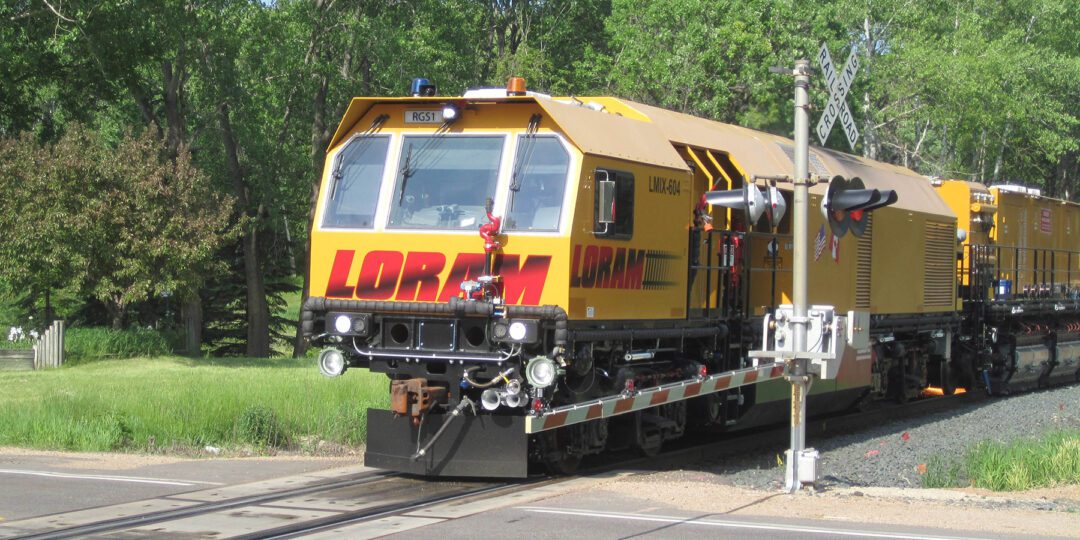
RGS
Turnouts · Crossings · Mainline
View details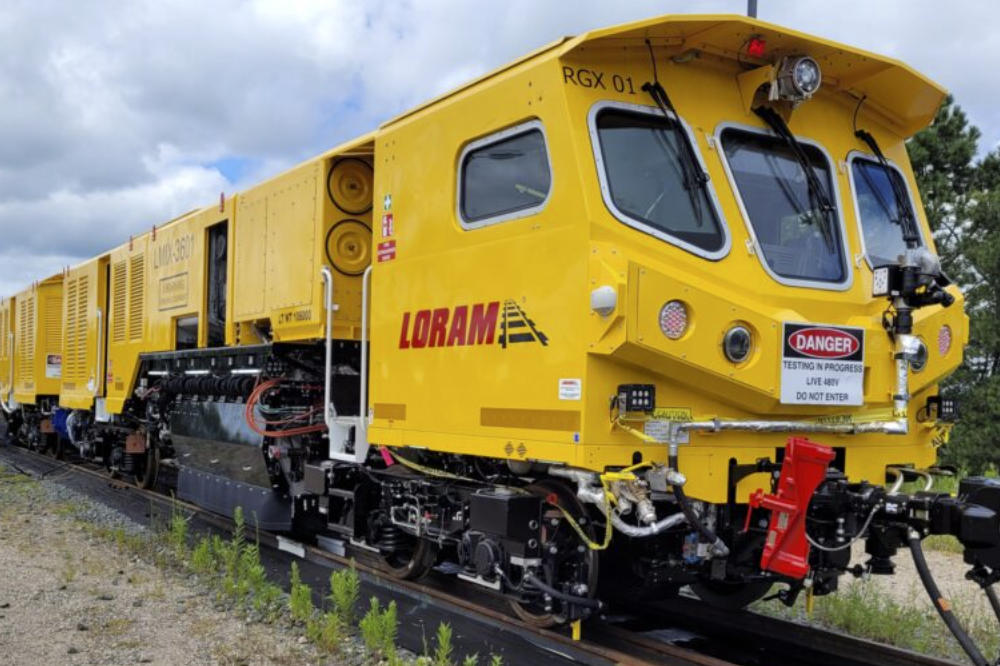
RGX
Metro · Urban transit
View details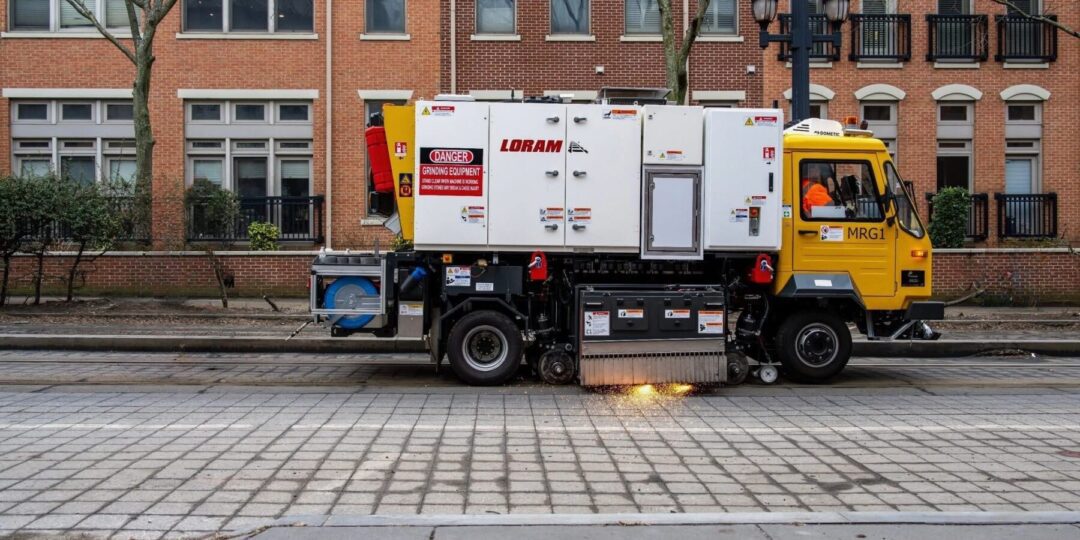
MRG
Metro · Subway · Urban transit
View detailsHarsco Rail
Railway equipment supplier whose grinding portfolio spans high-output production trains and compact machines for transit systems and complex trackwork.
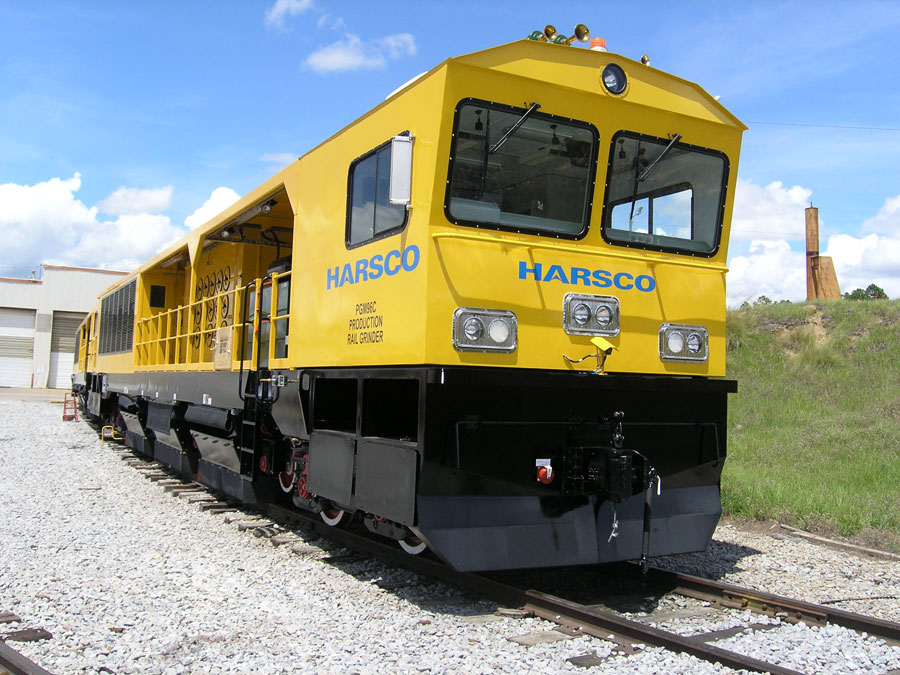
PGM96
Mainline · Heavy haul · High-speed rail
View details
RGH20C
Turnouts · Metro · Crossings
View details
RGH10C
Metro · Turnouts · Urban transit
View details
Möser
Turnouts · Metro · Urban transit
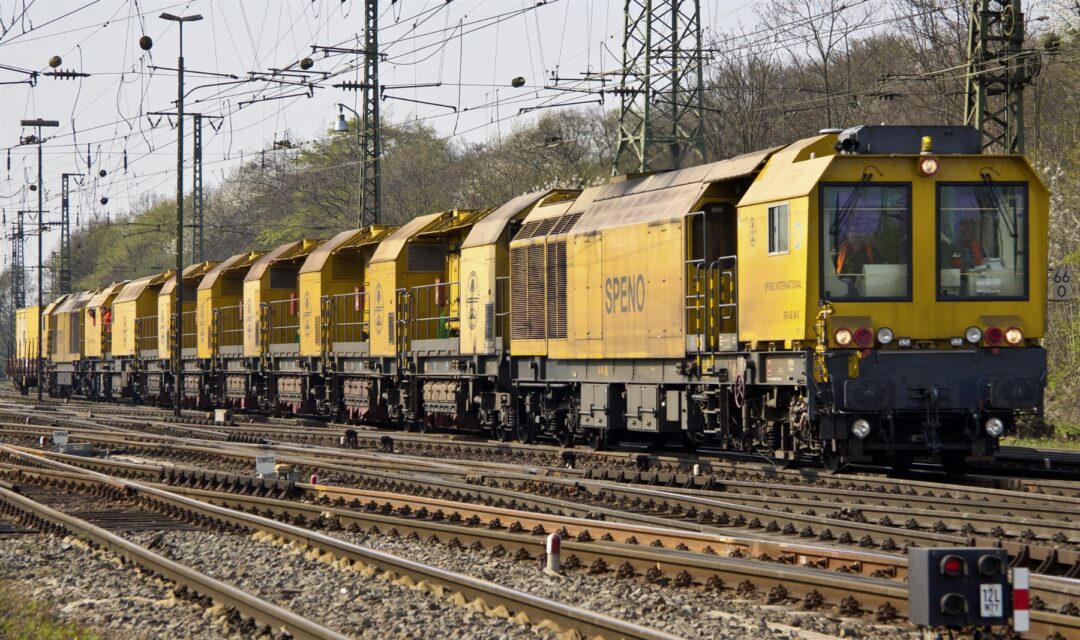
View detailsSpeno
Swiss rail maintenance company known for grinding trains in multiple capacities for mainline, high-speed, metro and tunnel applications.


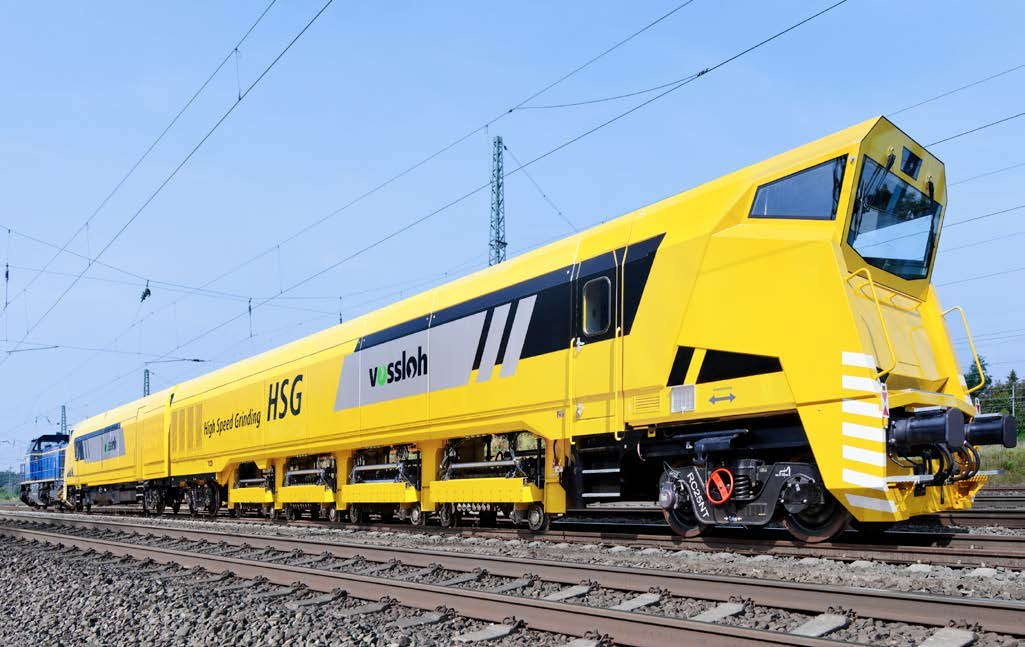
Vossloh
German rail infrastructure group behind the HSG high-speed grinding systems used for preventive treatment on mainline and urban networks.

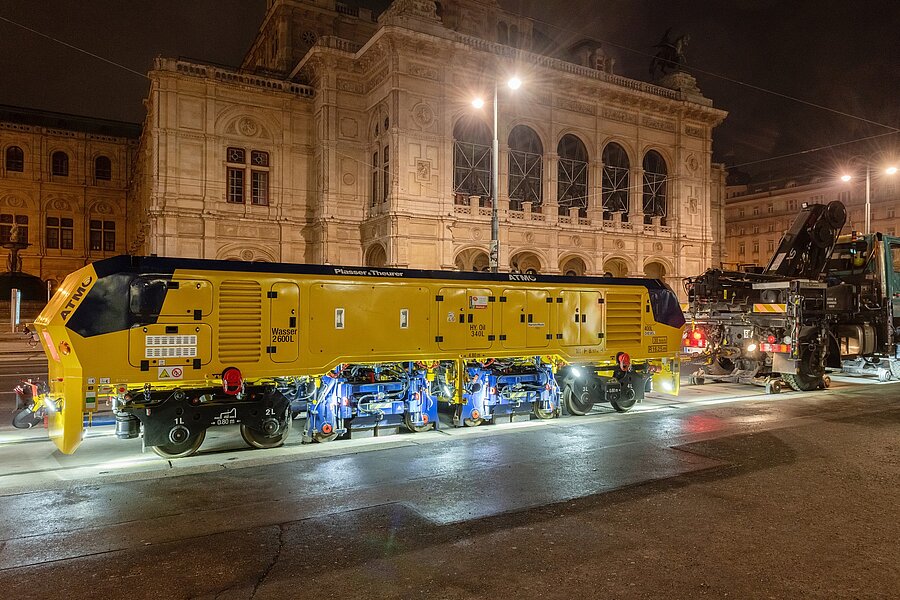
Plasser & Theurer
Austrian track-maintenance equipment manufacturer represented here by ATMO, its urban oscillating and sliding grinding solution.
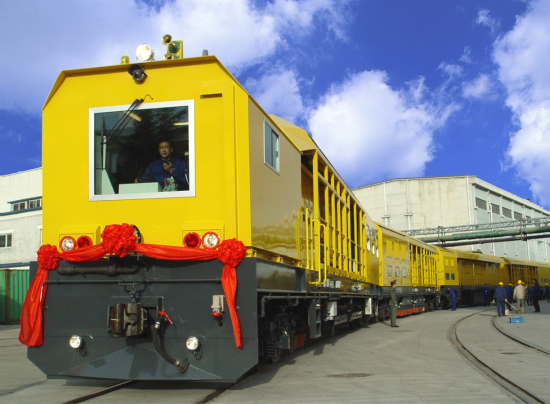
CRRC
Chinese rolling-stock and railway-equipment group with large and medium-capacity grinding trains for mainline and passenger networks.
GEMAC
Chinese rail maintenance equipment supplier associated with compact grinding vehicles for metro, turnout and conventional railway work.

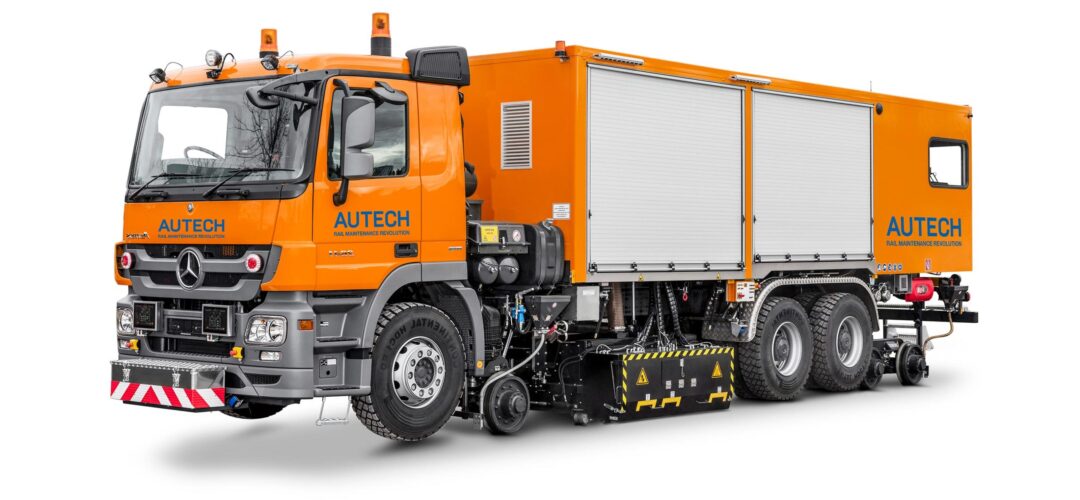
AUTECH
Swiss manufacturer of flexible road-rail grinding equipment designed primarily for tram, metro and other urban rail systems.

Schweerbau
German rail treatment and maintenance specialist operating rail-bound equipment for profile restoration and mainline maintenance.

L&S
German rail-maintenance specialist developing configurable rail-bound grinding machines for tracks, turnouts, tunnels and urban networks.
Qiqihar Railway Equipment
Medium-sized rail grinding vehicles developed for mainline, curve, turnout and local-defect treatment.

Rail treatment technologies
Conventional grinding
Powered abrasive stones are set at controlled angles to remove surface defects and restore the target transverse profile.
High-speed grinding
Passively driven stones remove a very small layer at high working speed, supporting frequent preventive maintenance.
Oscillating grinding
Longitudinal stone movement increases treatment effectiveness in corrugation-prone urban locations.
Common rail grinding wheel references
Dimensions are reference information, not universal compatibility guarantees. Always verify the exact machine generation, grinding unit, mounting interface, maximum RPM and operator-approved drawing.
| Common dimension | Referenced machine families | Library index |
|---|---|---|
| 260 × 90 × 154 mm | Selected Loram production grinders and other configured fleets | View 260 × 90 × 154 wheel |
| 260 × 90 × 152.4 mm | Selected CRRC GMC configurations | Browse models |
| 250 × 78 × 150 mm | Selected Speno RR16 / RR24 configurations | Browse models |
| 152 × 80 × M20 | Selected Harsco RGHC and GEMAC configurations | View 152 × 80 × M20 wheel |
| 120 × 73 × 40 mm | Selected Vossloh HSG systems | View 120 × 73 × 40 wheel |
| 120 × 110 × M20L | Selected AUTECH references | Browse models |
How to select the correct rail grinding wheel
Machine model alone is not enough to confirm compatibility. Check the complete wheel and operating specification before procurement or installation.
- 01Identify the machineRecord the manufacturer, exact model, generation and grinding-unit type.
- 02Measure the wheelConfirm outside diameter, thickness, bore or thread and mounting form.
- 03Check operating limitsVerify the approved maximum RPM and the intended grinding application.
- 04Confirm before orderingMatch the specification to the machine manual, drawing or approved sample.
- 05Request a compatibility reviewSend the machine model, wheel marking or drawing, mounting details, quantity, destination country and required delivery date through our rail grinding wheel inquiry form.
Frequently asked questions
Quick answers about machine classification and grinding-wheel compatibility.
What is a rail grinding train?+
A rail grinding train is a specialised maintenance vehicle or consist that uses controlled abrasive action to remove rail surface defects and restore the required rail profile.
Which manufacturers produce rail grinding machines?+
Manufacturers and specialist suppliers represented in this library include Loram, Harsco Rail, Speno, Vossloh, Plasser & Theurer, CRRC, GEMAC, AUTECH, Schweerbau, L&S and Qiqihar Railway Equipment.
How do I identify the correct grinding wheel for a machine?+
Confirm the machine manufacturer, exact model and generation, wheel dimensions, mounting interface, approved maximum RPM and intended grinding application before selecting a wheel.
Are grinding wheel dimensions interchangeable between models?+
No. A similar outside diameter does not confirm compatibility. The bore or thread, mounting design, thickness, speed rating and machine-specific approval must also match.
What information is required to confirm compatibility?+
Provide the manufacturer, model, wheel marking or drawing, dimensions, mounting form, maximum operating speed, required quantity and, where possible, photographs of the existing wheel and machine interface.