1. Introduction to Metro Maintenance Pain Points
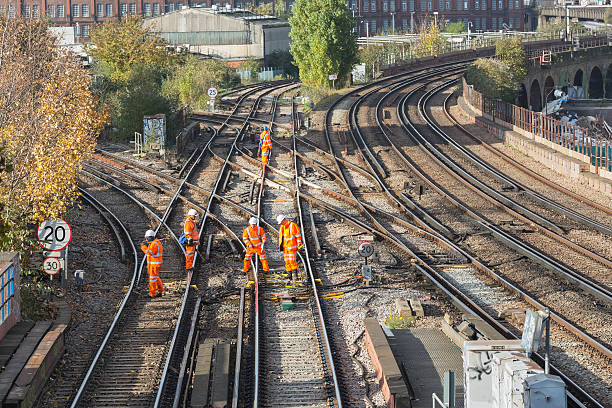
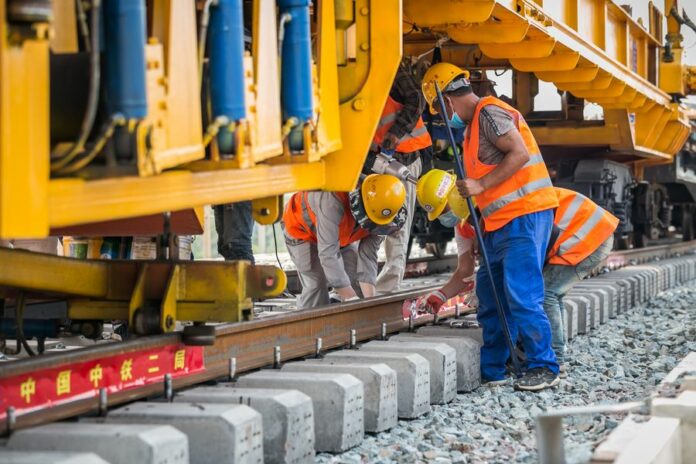
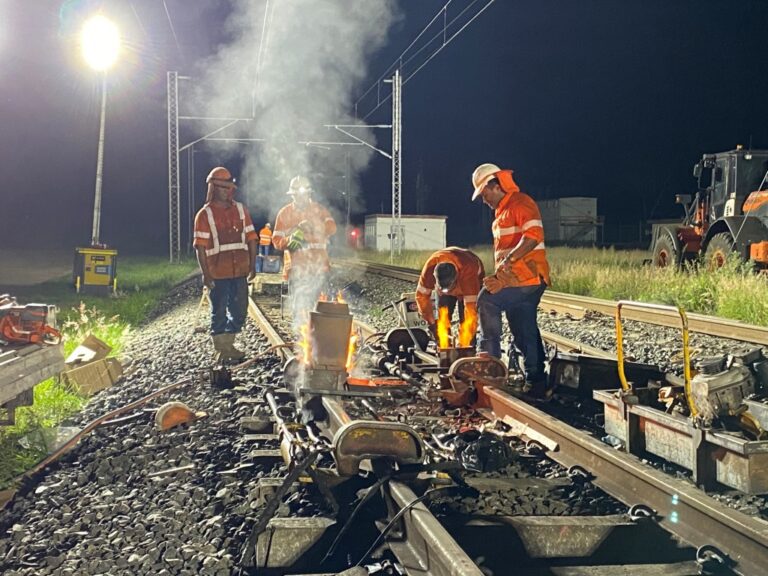
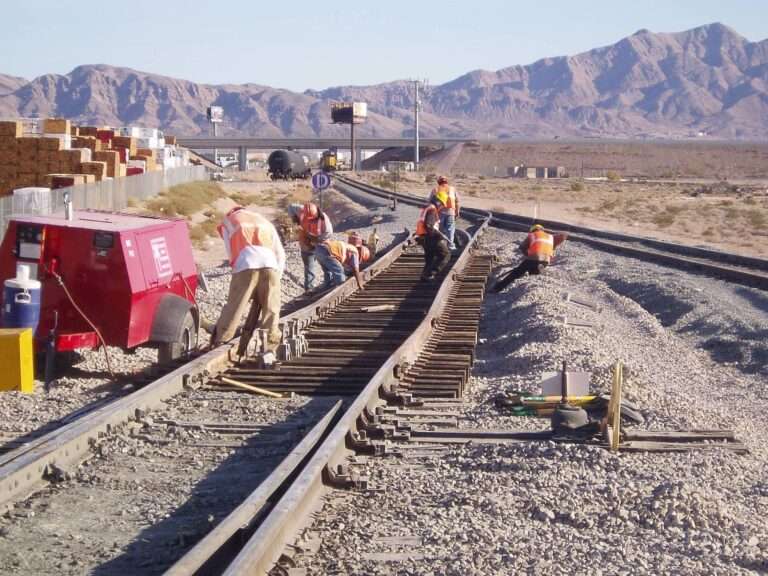
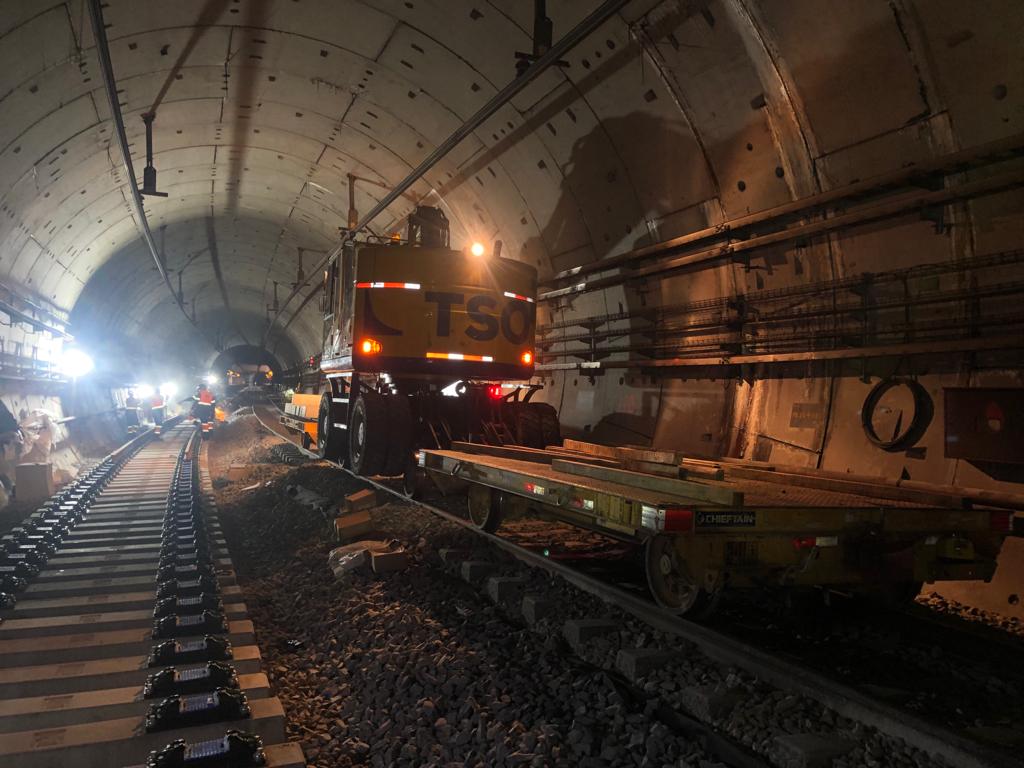
Metro maintenance is the foundation of safe and stable subway operation. Long-term repeated rolling of train wheels will cause severe damage to steel rails: rolling contact fatigue, surface metal fatigue layers, tiny rail head cracks, plastic deformation and irregular wear. These rail defects will increase vibration, noise, reduce riding smoothness, and even induce major safety accidents.
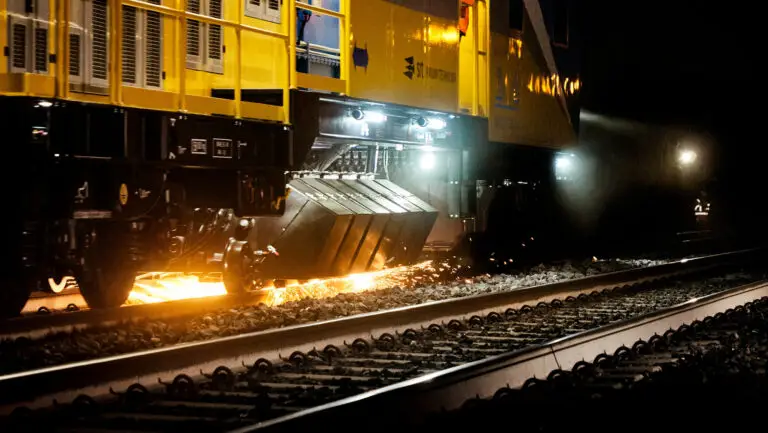
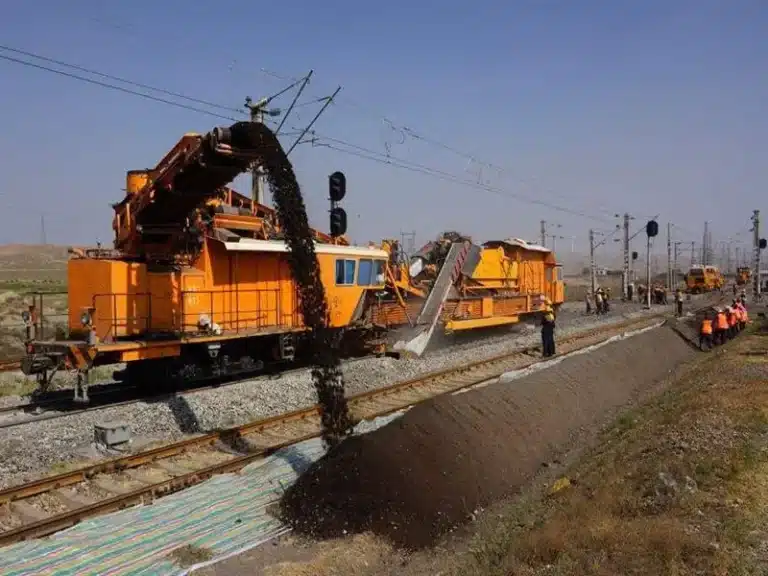
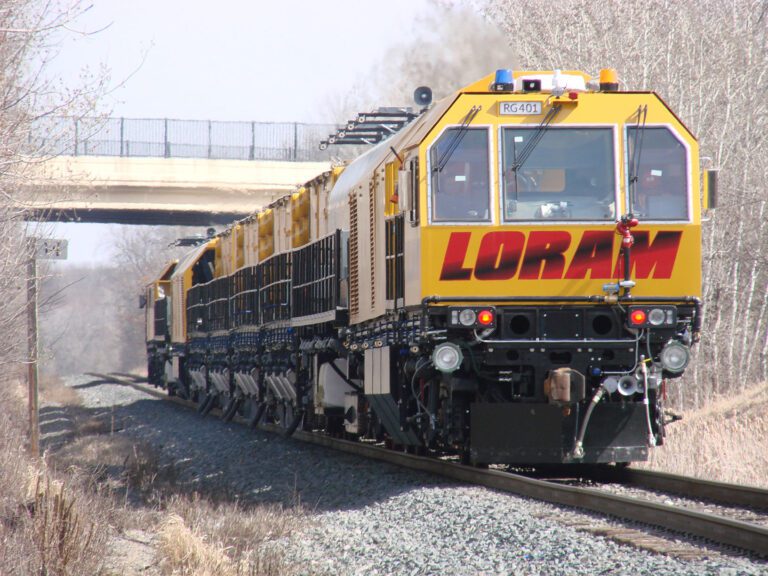
Traditional maintenance options include rail lubrication and full rail replacement, which feature high cost and low efficiency. Rail grinding with dedicated rail grinding vehicles has become the internationally recognized optimal metro maintenance technology to eliminate rail diseases, restore standard rail profiles and extend rail service life.
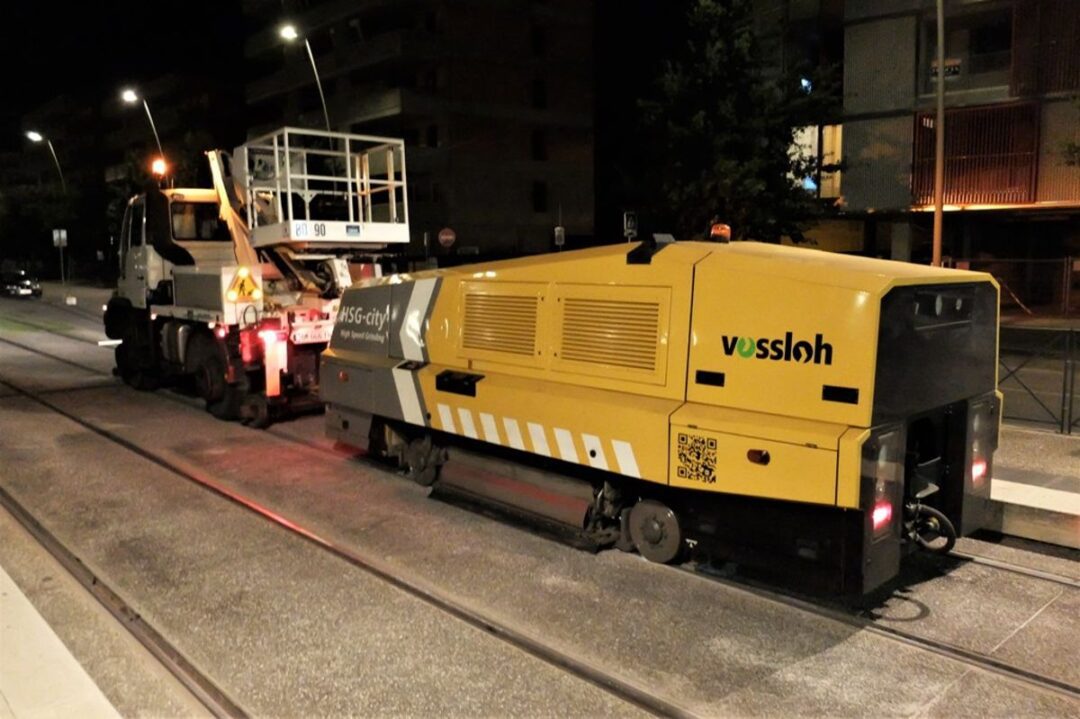
2. Three Core Grinding Technologies for Standard Metro Maintenance
2.1 Preventive Grinding for Light-Wear Metro Lines
For metro tracks with light axle load and minor wear defects, preventive grinding is the regular daily metro maintenance measure, completed in two grinding passes.
Table 1 Parameters of Two Passes Preventive Grinding
| Grinding Pass | Main Function | Speed | Power Range | Angle Coverage |
|---|---|---|---|---|
| First pass | Shape standard rail profile | 15 km/h | 50%–65% | +3~+11°, +8~+44° |
| Second pass | Smooth whole rail & adjust contact light band | 17 km/h | 50%–75% | +44~-12° |
Field construction schemes shall be adjusted according to actual rail profile and wheel-rail contact light band:
- Centered light band & full rail profile: adopt standard two-pass grinding mode;
- Light band deviates inward: expand grinding angle range +10°~+25°, increase grinding head quantity and power in irregular areas;
- Narrow inner light band: lower grinding speed and raise power in first pass to centralize the contact band;
- Outer offset light band: add angle range -15°~-5°, strengthen grinding power for outer rail side.
2.2 Corrective (Repair) Grinding for Worn Rails
Corrective grinding targets rails with obvious abrasion damage, a key repair-type metro maintenance process.
- Standard grinding cycle: 80Mt ~ 100Mt accumulated traffic tonnage
- Grinding mode: single-pass fast grinding
- Single grinding head power: 22kW
- Controlled grinding removal volume: approx. 0.2mm
This process quickly removes worn layers and restores deformed rail profiles to restrain crack propagation without replacing whole rails.
2.3 Specialized Turnout Grinding for Switches, Frogs & Weld Joints
Turnouts include frogs, weld seams and rail joints with complex geometric structures, requiring segmented precise grinding during metro maintenance.
- Rail top flat grinding: Adjust grinding car height to control contact pressure, polish welds until cross-section consistent with adjacent rails;
- Rail crown arc finishing: Fine tune grinding head angle by 3°–5° each time to match standard rail curve;
- Frog & wing rail trimming: Remove metal burrs, restore turnout profile. Control longitudinal smoothness index F=r/d<3mm tested by 2m straightedge.
3. Post-Grinding Quality Inspection for Metro Maintenance
After grinding construction, two core indicators are tested to judge metro maintenance effect, based on a 3km test metro line with elastic fasteners.
3.1 Rail Longitudinal Smoothness
CAT measuring trolley runs at 1m/s along tracks to collect smoothness data. The test line is divided into 6 sections, with average smoothness ranging from 97.36% to 99.52%. All sections achieve high smoothness after standardized grinding.
3.2 Rail Surface Roughness
Portable roughness tester is used for detection. Qualified surface roughness shall be less than 10μm; all test sections record roughness between 9μm–10μm, fully meeting urban metro operation standards and preventing micro-crack growth.
4. Matching Rail Grinding Wheels for Global Grinding Equipment
High-performance rail grinding wheels are core consumables for efficient metro maintenance. Our grinding wheels are fully compatible with mainstream large grinding vehicles: Loram, Harsco, Speno and various profile grinding machines. Customized abrasive formulas match preventive, corrective and turnout grinding scenarios, improving grinding efficiency and service life of abrasives.
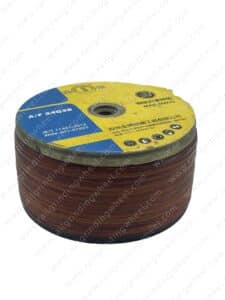
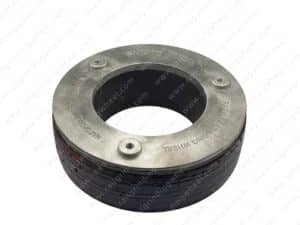
Custom rail grinding wheels for international metro rail grinding vehicles
5. Conclusion
Integrated rail grinding vehicle application forms a complete metro maintenance system covering daily preventive care, worn rail repair and turnout precision finishing. Standardized grinding parameters, segmented construction workflows and strict post-grinding quality inspection effectively eliminate metro rail wear, fatigue and profile defects. The technology improves train running stability, reduces operation noise and cuts long-term track maintenance costs.
With the continuous expansion of global urban metro networks, standardized rail grinding technology will become the mainstream cost-saving metro maintenance solution for all subway operators.
Inquiry
If you need technical support, parameter consultation or quotation of rail grinding wheels for metro maintenance, please contact us.