Railway Grinding: Process, Equipment, and Track Maintenance Guide
Table of Contents
Railway grinding is a mechanical track maintenance method used to remove surface defects, restore railhead profiles, and eliminate rolling contact fatigue (RCF) from steel rails. Using motorized abrasive grinding wheels, maintenance crews shave thin layers of metal from the rail surface to prevent structural failure, extend track lifespan, and reduce operational noise.
What Is Railway Grinding and How Does It Work?
Railway grinding works by running specialized rotating abrasive wheels over steel rails at controlled speeds. The process removes fatigue-damaged surface metal, eliminates micro-cracks (such as head checks), and shapes the railhead to match the ideal wheel profile within tight tolerances (typically ±0.05 mm).
Key Objective: Railway grinding maintains proper wheel-rail contact geometry, preventing deep rail breaks and lowering total Life Cycle Costs (LCC) for track operators.
Why Is Railway Grinding Essential for Track Maintenance?
Modern railway networks operating under standards like Europe’s EN 13231 and North America’s AREMA rely on regular grinding for four main technical reasons:
- Defect Removal: It eliminates early-stage surface defects, including head checks, spalling, and flaking, before they cause catastrophic rail failure.
- Corrugation Control: It smooths longitudinal wave wear (corrugation) along the rail top, significantly reducing dynamic impact forces and vibration.
- Profile Restoration: Re-profiling the railhead restores optimal steering dynamics in curves, reducing wheel-flange wear and derailment risks.
- Cost Savings: Preventative grinding extends steel rail service life by up to 200% to 300%, delaying expensive full-track replacement projects.
Preventative vs. Corrective Railway Grinding
Track maintenance engineers categorize railway grinding into two main operational strategies:
| Feature | Preventative Grinding | Corrective Grinding |
|---|---|---|
| Metal Removal Depth | 0.1 mm – 0.2 mm | 0.5 mm – 1.5 mm+ |
| Operating Speed | 15 – 25 km/h | 3 – 8 km/h |
| Pass Frequency | High frequency (1–2 passes) | Low frequency (Multiple passes) |
| Primary Goal | Prevent fatigue cracks and preserve rail profile | Remove deep surface damage and severe corrugation |
Equipment and Consumables Used in Railway Grinding
Selecting the right machinery and abrasive consumables depends on the track section and operating conditions:
1. Heavy Railway Grinding Trains
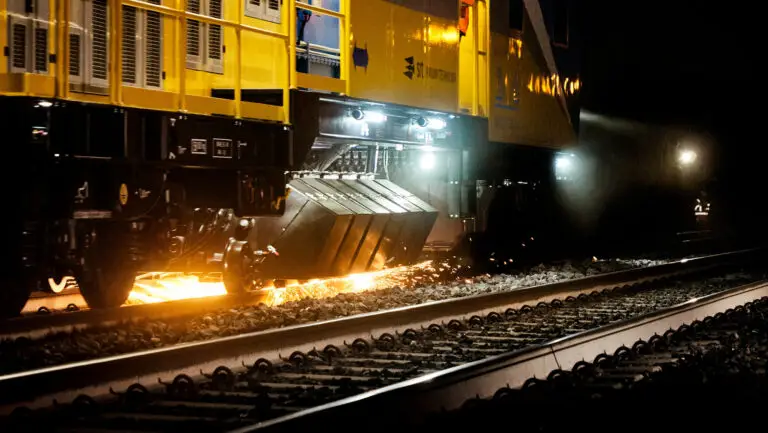
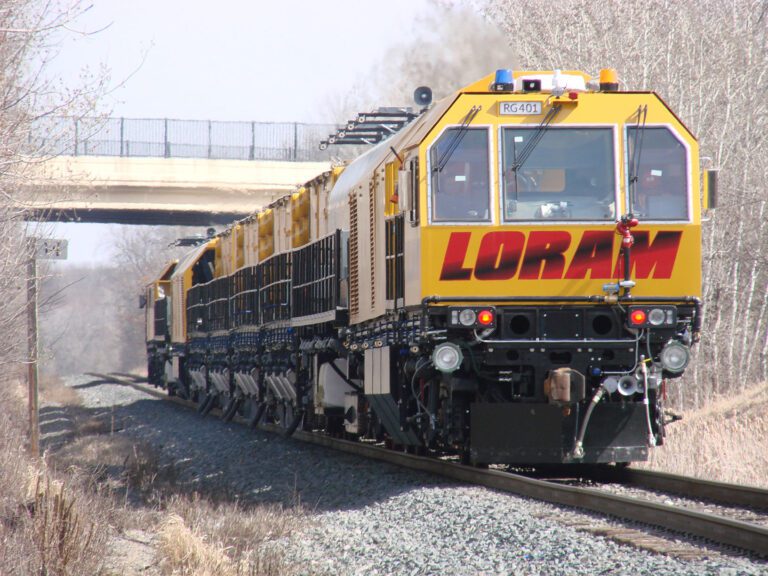
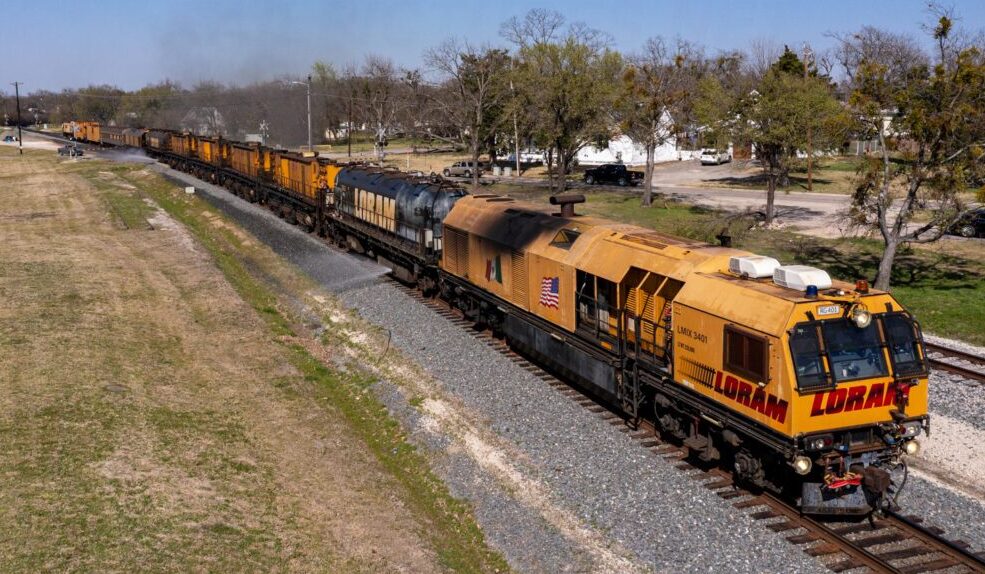
For mainline and heavy-haul networks, self-propelled grinding trains with 16 to 120 motorized heads process long track stretches efficiently. These operations require high-performance rail grinding train wheels built for aggressive metal removal rates (MRR) and high rotational safety.
To learn more about the technical evolution of grinding equipment, visit our Rail Grinder Library.
2. Switch and Profile Grinders
Complex track areas—such as turnouts, switches, and tight urban curves—require compact portable or handheld grinders. These machines use precision-engineered profile grinding wheels to contour hard-to-reach rail profiles without damaging adjacent components.
Key Factors When Choosing Railway Grinding Wheels
When sourcing grinding consumables for railway maintenance projects, technical buyers evaluate three primary performance metrics:
- Abrasive Grain Toughness: Premium Zirconia Alumina and Ceramic grains provide fast, cool cutting on hard alloy steel rails.
- Resinoid Bond Safety: Reinforced fiberglass mesh ensures structural integrity during high-speed rotation (up to 80 m/s).
- Grinding Ratio (G-Ratio): A high G-Ratio maximizes metal removal relative to wheel wear, reducing wheel changeouts and operational downtime.
Frequently Asked Questions (FAQ)
How often is railway grinding required on tracks?
Grinding intervals depend on gross tonnage (MGT), axle loads, and train speeds. Heavy-haul freight lines typically schedule preventative grinding every 10 to 15 MGT, while urban transit lines follow annual or bi-annual inspection schedules.
Why do sparks fly during railway grinding?
Sparks occur when spinning abrasive wheels friction-cut microscopic steel particles from the rail. The extreme heat causes these shaved metal bits to oxidize instantly in the air, creating a visible spark shower.
Does railway grinding shorten total rail lifespan?
No. Although grinding removes small amounts of surface steel, it prevents fatigue cracks from traveling deeper into the rail. By stopping major rail defects, regular grinding extends overall track service life.
Sourcing High-Performance Railway Grinding Wheels?
We manufacture certified abrasive grinding wheels for mainline grinding trains and switch profile machines.