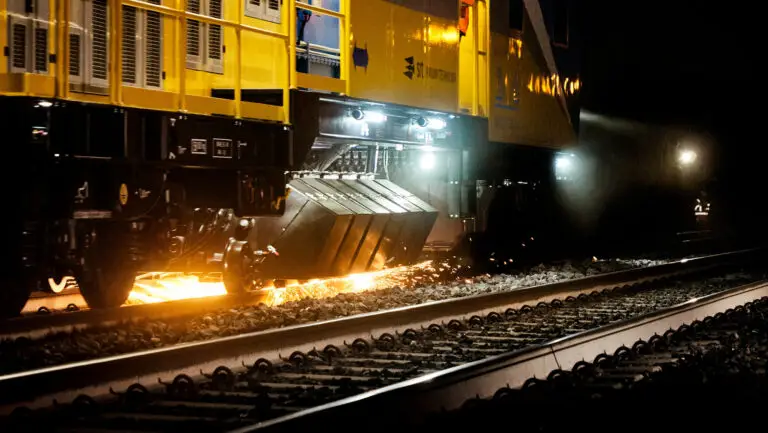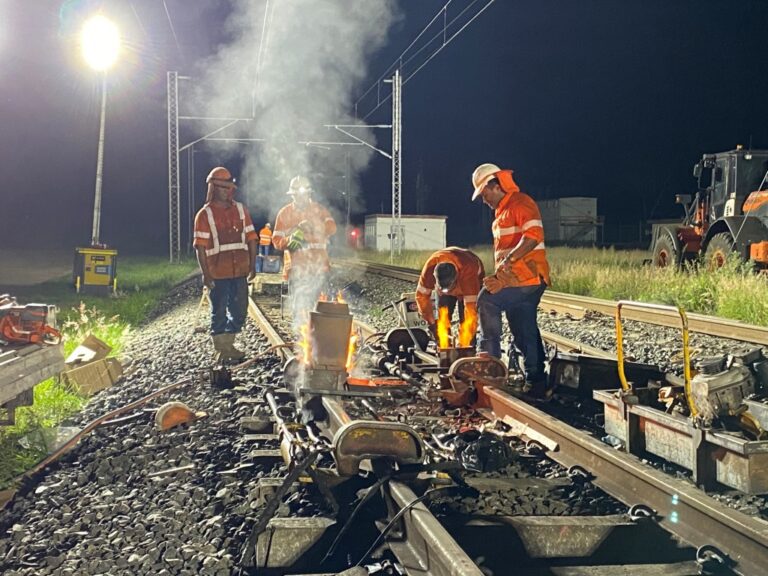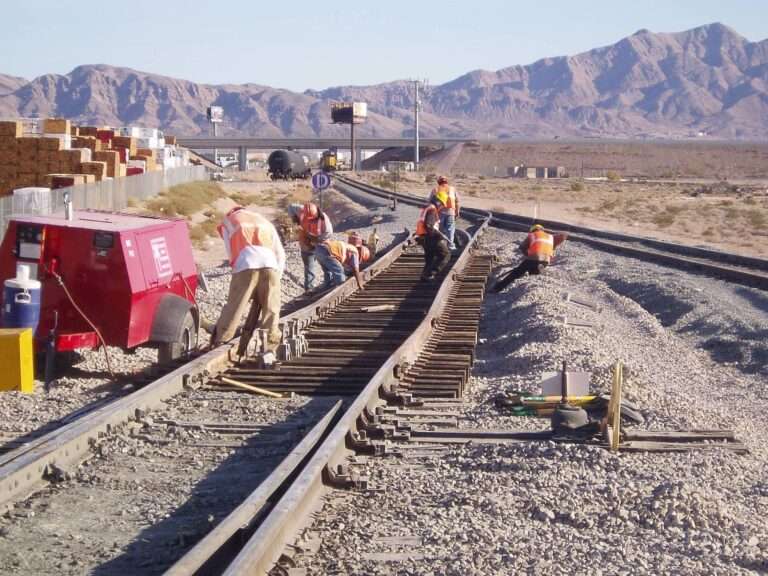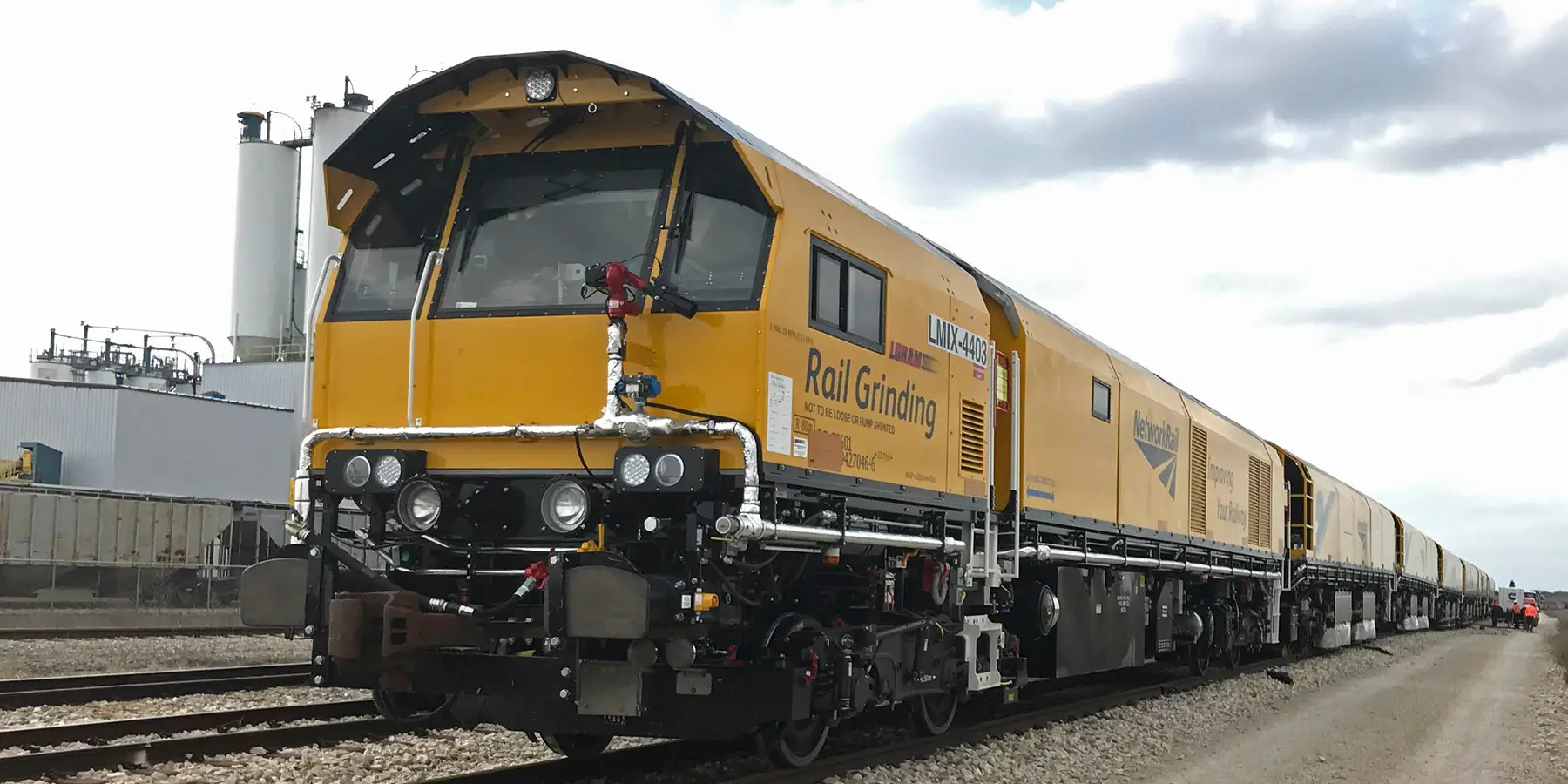
Loram ray taşlama Bu, ray başından kontrollü miktarda metalin kaldırılması amacıyla çok sayıda aşındırıcı taşla donatılmış ray taşlama trenlerinin kullanıldığı mekanize bir bakım işlemidir. Bu işlem, hedeflenen ray profilini geri kazandırır, yüzey kusurlarını giderir ve demiryolu önleyici veya düzeltici bakım programlarını destekler.
Loram, demiryolu bakım ekipmanları alanında dünyanın en tanınmış üreticilerinden ve işletmecilerinden biridir. Ray taşlama ürün yelpazesi, ağır yük ana hatlarını, yük demiryollarını, yolcu ağlarını, kentsel toplu taşıma sistemlerini, makasları ve hemzemin geçitleri kapsamaktadır.
Ekipman sahipleri ve bakım yüklenicileri için öğütme makinesi, sistemin yalnızca bir parçasıdır. Öğütme taşı boyutları, montaj tasarımı, aşındırıcı formülasyonu ve çalışma parametreleri de makineye ve öğütme programına uygun olmalıdır.
Loram Ray Taşlama Nedir?
Loram ray taşlama işlemi, ray başlığına karşı kontrollü açılarda konumlandırılmış motorlu aşındırıcı taşlama taşlarını kullanır. Taşlama treni ray boyunca ilerlerken, bu taşlar yorgunlaşmış veya düzensiz yüzey malzemesini kaldırır ve gerekli enine ray profilini oluşturur.
Başlıca bakım hedefleri şunlardır:
- Tasarlanan ray başı profilinin eski haline getirilmesi
- Ray oluklanmasının giderilmesi veya kontrol edilmesi
- Yuvarlanma teması yorgunluğuna bağlı yüzey hasarının azaltılması
- Yüzeydeki yerel düzensizliklerin düzeltilmesi
- Tekerlek-ray temas koşullarının iyileştirilmesi
- Demiryolu önleyici bakım programlarının desteklenmesi
Taşlama programları önleyici, düzeltici veya geçiş niteliğinde olabilir. Gerekli malzeme kaldırma hızı ve yüzey kalitesi, rayın durumuna, trafik özelliklerine ve hedef profile bağlıdır. Loram, mevcut ekipmanlarını şu gruplara ayırmaktadır: üretim, özel ve transit öğütme platformları.
Loram Ray Taşlama Makinesi Nasıl Çalışır?
Bir Loram ray taşlama makinesinin altında birden fazla elektrikli taşlama motoru bulunur. Her motor, bir aşındırıcı ray taşlama taşını tahrik eder. Taşlama modülleri, ray başlığının ray aralığı köşesi, bombeli kısmı ve düz kısmı boyunca farklı açılarda konumlandırılabilir.
Makine kontrol sistemleri, aşağıdaki gibi değişkenleri düzenler:
- Taşlama açısı ve motor gücü
- Öğütme basıncı ve tren hızı
- Geçiş sayısı ve taşlama şekli
- Hedeflenen metal kaldırma ve yüzey kalitesi
Büyük ölçekli üretim öğütücülerinde birçok taş aynı anda kullanılır. Özel amaçlı ve transit öğütücülerde ise daha az taş kullanılır, ancak makaslar, hemzemin geçitler, dar açıklıklar ve keskin virajlarda daha fazla esneklik sağlanır.
Çalışma sırasında ortaya çıkan gözle görülür kıvılcımlar, dönen taşlama taşları ile çelik ray arasındaki temastan kaynaklanır. Bu nedenle taşlama makineleri, çalışma ortamına uygun kıvılcım önleme, toz toplama ve yangın söndürme sistemlerine ihtiyaç duyar.
Yaygın Loram Ray Taşlama Makinesi Modelleri
Loram’ın ekipmanları genel olarak üretim, özel amaçlı ve transit demiryolu taşlama platformları olarak sınıflandırılır. Makine özellikleri bölgeye ve konfigürasyona göre değişiklik gösterebileceğinden, yedek taşlama taşları sipariş edilmeden önce ekipmanın seri numarası ve teknik belgeleri her zaman kontrol edilmelidir.
| Loram modeli | Öğütücü kategorisi | Tipik kullanım alanı | Öğütme düzeni |
|---|---|---|---|
| RG400 Serisi | Üretim öğütücüsü | Ağır yük, kargo ve daha geniş banliyö ulaşım ağları | 60-120 taş |
| C44 Serisi | Üretim/uluslararası öğütücü | Uluslararası gümrük işlemleri gerektiren yük ve banliyö hatları | Modele bağlı |
| RGC Serisi | Kompakt üretim öğütücüsü | Yolcu, banliyö ve kentsel demiryolu ağları | Modele bağlı |
| RGI Serisi | Üretim ve özel amaçlı öğütücü | Yük sınırlaması, viraj yarıçapı veya aks yükü kısıtlamaları bulunan ağlar | 16-96 taş |
| RGS Serisi | Özel öğütücü | Makaslar, kavşaklar, virajlar ve açık hat | 24 taş; birimler birbirine birleştirilebilir |
| RGT | Hızlı kurulumlu özel öğütücü | Yerele uyarlanmış ve karayolunda kullanılabilen ray taşlama | Yapılandırmaya bağlı |
| L Serisi / LRG | Aktarma ve özel amaçlı öğütücü | Metro, hafif raylı sistem, yer altı raylı sistem ve sınırlı güzergâhlar | 4 veya 8 taşlık arabalar |
| RGX | Transit öğütücü | Dar alanlarda kentsel demiryolu raylarının taşlanması | Modele bağlı |
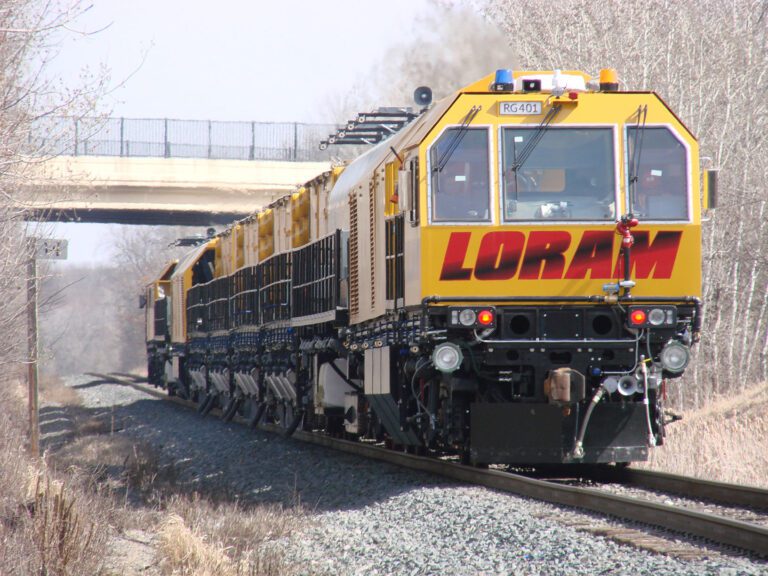
Loram RG400 Serisi
Loram RG400, ağır yük, yük taşımacılığı ve büyük banliyö demiryolları için geliştirilmiş büyük ölçekli bir demiryolu ray taşlama makinesidir. Loram, çalışma koşullarına bağlı olarak 60 ila 120 adet taşlama taşı içeren konfigürasyonlar ve 20 mph (32 km/h) hıza kadar ulaşan taşlama hızları sunmaktadır.
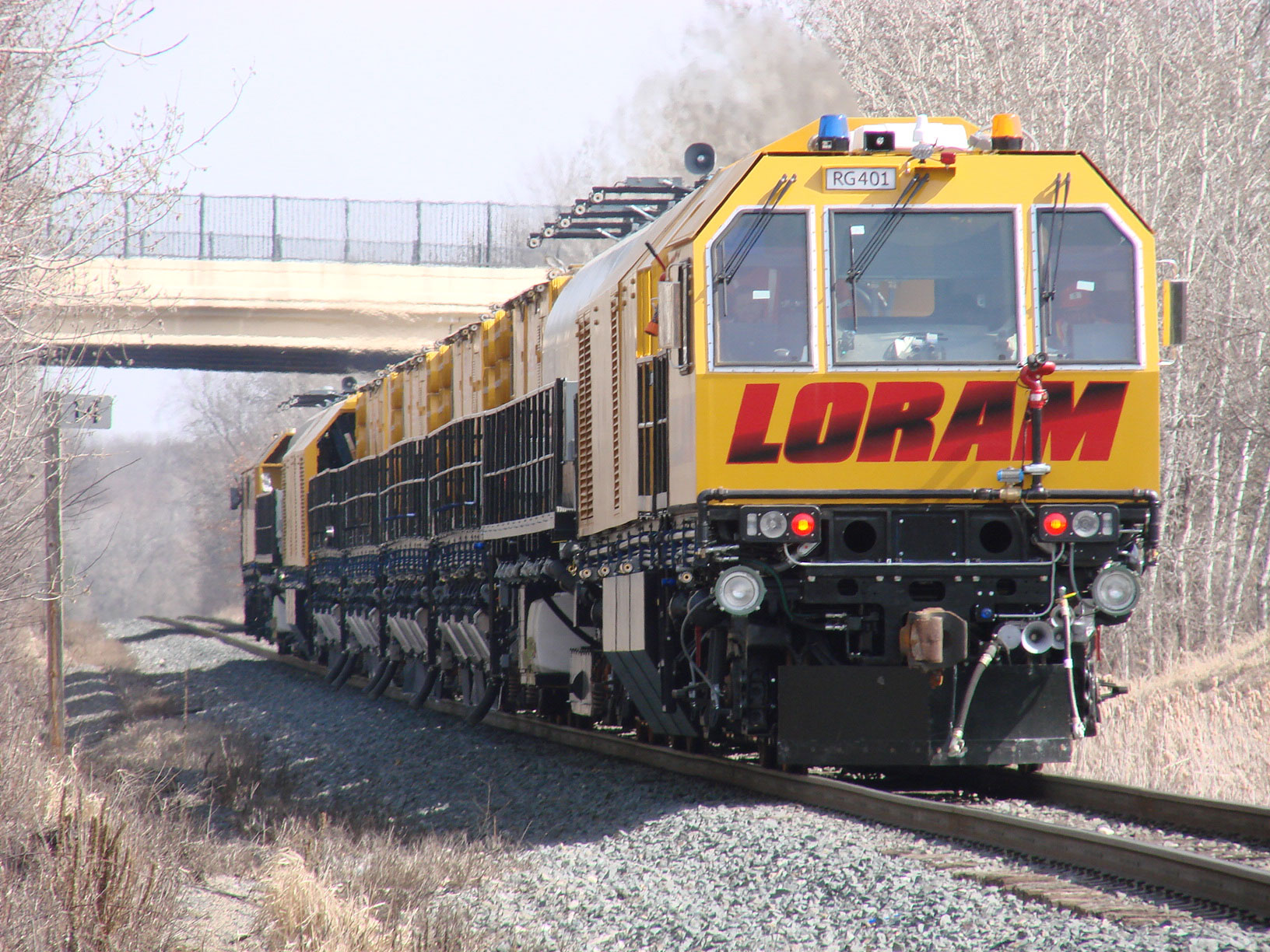
Yüksek taş sayısı sayesinde RG400, demiryollarının sınırlı bakım süreleri içinde uzun ray kesitlerini işlemek zorunda kaldığı üretim amaçlı taşlama işleri için uygundur. Tipik uygulama alanları arasında önleyici taşlama, düzeltici metal kaldırma, ray profilinin eski haline getirilmesi ve ray yüzeyindeki kusurların giderilmesi yer alır. Bkz. Loram RG400’ün resmi teknik özellikleri.
Loram C44 Serisi
C44, aks yükü, yükleme profili ve makine boyutlarının daha büyük bir Kuzey Amerika üretimi öğütücünün kullanımını kısıtlayabileceği uluslararası yük taşımacılığı ve banliyö uygulamaları için tasarlanmıştır.
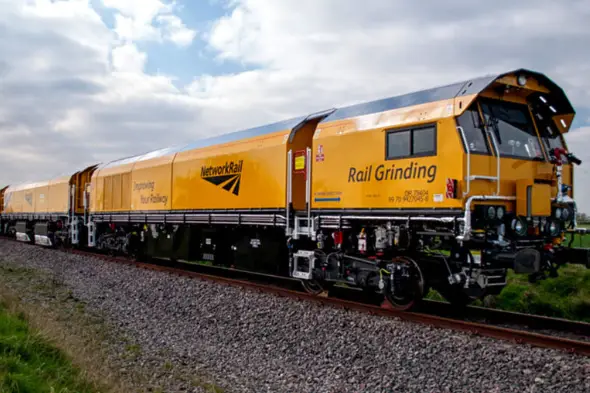
Loram, C44 modelinin uluslararası açıklık ve ağırlık gerekliliklerini karşılamak üzere tasarlandığını belirtmektedir. Bu makine, ray başı yeniden profilleme işlemlerinde ve oluklanma, korozyon, derz uyumsuzluğu ve diğer yüzey düzensizliklerinin giderilmesinde kullanılmaktadır. Bkz. Loram C44 ekipmanının resmi sayfası.
Loram RGI Serisi
Loram RGI, üretim düzeyinde taşlama kapasitesini daha küçük bir platformla birleştirir. Bu sistem, daha dar virajlara, daha düşük aks yükü sınırlarına veya kısıtlı yükseklik boşluklarına sahip banliyö, yük ve yüksek hızlı demiryolu ağları için tasarlanmıştır.
Makine konfigürasyonuna bağlı olarak, Loram, 16 ila 96 taşlı RGI modelini sunmaktadır. Makine, ray başlığının farklı alanlarını işlemek için bağımsız olarak kontrol edilen taşlama modülleri kullanır. Loram’ın yayınladığı belgelerde, bu platformun UIC ve EN 13231 taşlama gerekliliklerine uygun olarak tasarlandığı belirtilmektedir. Kesin konfigürasyon ve sertifikasyon bilgileri, her makineyle birlikte verilen belgelerden teyit edilmelidir.
Loram RGS Serisi
RGS, makaslar, kavşaklar ve diğer karmaşık hat yapıları için tasarlanmış özel bir ray taşlama makinesidir. Loram’ın mevcut RGS teknik özellikleri, her biri 30 hp (yaklaşık 22 kW) nominal güce sahip 24 adet taşlama motorunu içermektedir.
Uzun açık ray kesitlerine odaklanan bir üretim taşlama makinesinin aksine, RGS engellerin etrafından dolaşarak ve değişen ray geometrisine uyum sağlayarak çalışmak zorundadır. Taşlama modülleri, ray başlığının farklı kısımlarına ulaşmak için kayabilir ve eğilebilir. Loram ayrıca, iki adet RGS makinesinin birleştirilerek 48 taşlı bir konfigürasyon oluşturulabileceğini belirtmektedir. Ayrıntılı teknik özellikler şu adreste mevcuttur: Loram RGS’nin resmi sayfası.
Loram L Serisi ve LRG
Bazı bölgesel Loram belgelerinde LRG olarak da anılan L Serisi, toplu taşıma ve özel taşlama işlemleri için tasarlanmıştır. Daha küçük kapladığı alan sayesinde metro ve hafif raylı sistemler, dar tüneller, keskin virajlar, gömülü raylar, makaslar, hemzemin geçitler, oluklu rayların düzeltilmesi ve ray başı profilleme işlemleri için uygundur.
Loram, bu platform için dört taşlı ve sekiz taşlı taşlama arabalarını listelemektedir. Farklı motorlu vagon ve araba düzenlemeleri sayesinde makine, bakım süresine, güzergâh açıklığına ve gerekli üretim hızına göre uyarlanabilmektedir.
Loram RGX
RGX, Loram’ın toplu taşıma demiryolu taşlama ürün yelpazesinin bir parçasıdır. Bu ürün, gürültü kontrolü, toz toplama, dar boşluklar ve kısa bakım süreleri nedeniyle kompakt bir taşlama sistemine ihtiyaç duyulan kentsel demiryolu ortamları için tasarlanmıştır.
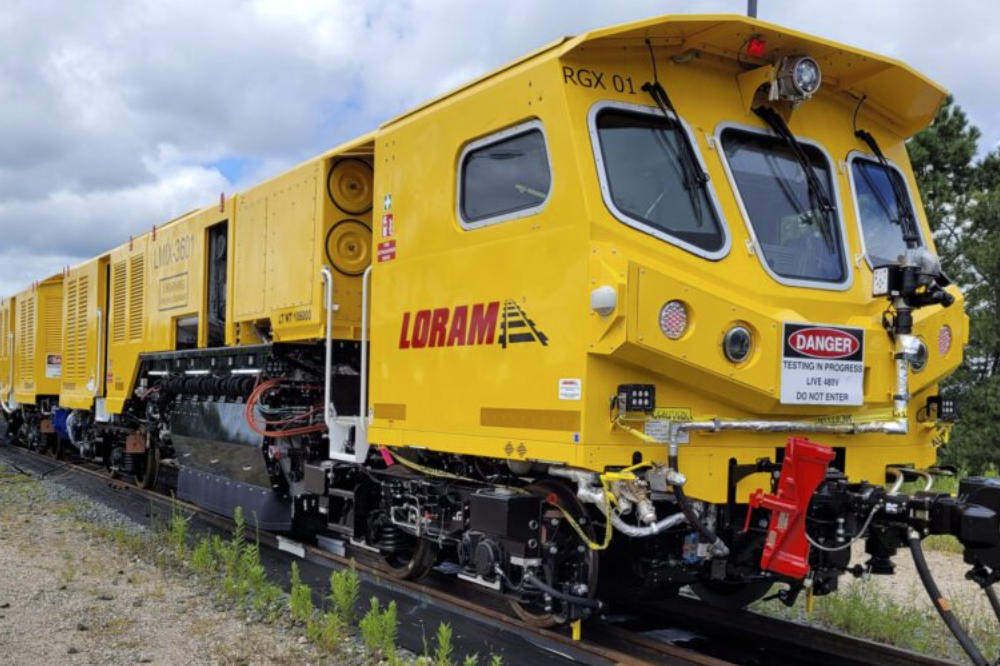
Bölgesel ekipman versiyonları farklılık gösterebileceğinden, taşlama taşı alıcıları, yalnızca “RGX” ismine dayanarak bir taş seçmemelidir. Makine konfigürasyonu ve mevcut taş bilgileri de kontrol edilmelidir.
Loram RGC ve RGT
RGC, yolcu, banliyö ve kentsel demiryolu ağlarına yönelik kompakt bir üretim taşlama platformudur. Ana hat taşlama kapasitesini daha az yer kaplayan bir makineye sığdırır.
RGT, yerel çalışmalar ve şantiyeler arasında daha kolay hareket edebilme amacıyla tasarlanmış, hızlı kurulumlu özel bir taşlama makinesidir. Uygulama alanı büyük üretim tipi taşlama hatlarından farklı olduğundan, aşındırıcı gereksinimleri ayrı olarak değerlendirilmelidir.
Üretim, Özel Amaçlı ve Transit Demiryolu Taşlama Yöntemlerinin Karşılaştırılması
| Taşlama kategorisi | En uygun olduğu durumlar | Temel ekipman gereksinimi | Taş öğütme konusunda dikkate alınması gereken hususlar |
|---|---|---|---|
| Üretim amaçlı taşlama | Uzun ana hat kesitleri | Yüksek verim ve tutarlı metal kaldırma | Çeşitli taş türlerinde tutarlı kesme performansı |
| Özel taşlama | Mafsallar, kavşaklar ve karmaşık yapılar | Esnek taş konumlandırma | Kontrollü kesim ve profil kaplaması |
| Geçiş taşlama | Metro, hafif raylı sistem ve banliyö ağı | Kompakt boyutlar ve ortam kontrolü | Yüzey kalitesi, gürültü ve sınırlı çalışma zaman aralıkları |
Bir taşlama makinesi kategorisi için geliştirilmiş bir taşın, başka bir kategori için de otomatik olarak uygun olduğu varsayılmamalıdır. Dış boyutlar benzer görünse bile, delik çapı, montaj sistemi, maksimum çalışma hızı, bağlayıcı ve aşındırıcı bileşimi farklılık gösterebilir.
Loram demiryolu taşlama makinelerinde hangi taşlama taşları kullanılır?
Loram ray taşlama makineleri, zorlu çalışma koşullarında kontrollü metal kaldırma işlemi için tasarlanmış reçine bağlayıcılı taşlama taşları kullanır. Kesin taşlama özellikleri, makineye, ray sertliğine, taşlama basıncına, hedef profile ve istenen yüzey kalitesine bağlıdır.
Yaygın seçim kriterleri arasında şunlar yer alır:
- Dış çap, kalınlık ve iç çap
- Montaj arayüzü ve flanş tasarımı
- İzin verilen maksimum çalışma hızı
- Aşındırıcı tanecik türü ve tanecik boyutu
- Bağ formülasyonu
- Ray kalitesi ve sertliği
- Önleyici veya düzeltici taşlama işlemi
- Gerekli malzeme kaldırma hızı ve yüzey kalitesi
Bir taşlama taşı, teknik özelliklerin tamamı dikkate alınarak seçilmelidir. Yalnızca çapın uyumlu olması güvenli değildir ve yetersiz taşlama sonuçlarına yol açabilir.
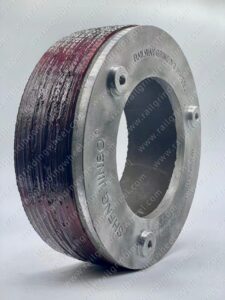
Jumbo Abrasives, şunları listeliyor: 260 × 90 × 154 Belirtilen Loram taşlama treni uygulamaları için mm ray taşlama taşı. Alıcılar, uyumluluk teyit edilmeden önce makine modelini, taş üzerindeki işaretlemeyi ve montaj ayrıntılarını yine de bildirmelidir. Mevcut boyutları web sitemizde inceleyebilirsiniz. demiryolu taşlama taşı ürün sayfası.
Loram Makinesi İçin Taşlama Taşı Nasıl Seçilir?
“Loram bileme taşı” anahtar kelimesiyle değil, makine kimliğiyle başlayın. Tedarikçiye şu bilgileri verin:
- Loram makine modeli ve konfigürasyonu
- Mümkünse, makinenin seri numarası veya üretim yılı
- Mevcut tekerlek veya taş izi
- Dış çap, kalınlık ve iç çap
- Montaj çizimi veya net montaj fotoğrafları
- Maksimum çalışma hızı
- Demiryolu eğimi ve mevcut ray durumu
- Taşlama uygulaması ve hedef profil
- Gerekli miktar, varış ülkesi ve teslim tarihi
Benzer bir model koduna sahip iki Loram taşlama makinesi, bölgesel gereklilikler, yükseltmeler veya makine yapılandırması nedeniyle farklı sarf malzemeleri kullanabilir. Bu nedenle Jumbo Abrasives, üretim önerisi hazırlamadan önce alıcının teknik bilgilerine göre uyumluluğu teyit eder.
Loram demiryolu taşlama makinelerinde aftermarket taşlama taşları kullanılabilir mi?
Belirli bir makine için boyutları, montaj sistemi, hız derecesi ve taşlama özellikleri teknik olarak doğrulanmışsa, uyumlu yedek taşlama taşları değerlendirilebilir.
Uyumluluk, hiçbir zaman yalnızca bir ürün fotoğrafına veya makine markasına dayandırılmamalıdır. Tedarikçi, orijinal taş işaretlemelerini, çizimleri ve işletme gerekliliklerini incelemelidir. Deneme prosedürleri ve onay gereklilikleri, makine sahibi, taşlama yüklenicisi ve sorumlu demiryolu mühendislik ekibi tarafından kararlaştırılmalıdır.
Jumbo Abrasives, çeşitli taşlama treni sistemleri için demiryolu taşlama diskleri üretmektedir. Loram’a yapılan herhangi bir atıf, söz konusu ekipmanın kullanım amacını belirtmek amacıyla yapılmıştır ve Loram Maintenance of Way, Inc. ile herhangi bir bağlılık, onay veya destek anlamına gelmez.
Taş Öğütme Tutarlılığının Önemi Neden Önemlidir?
Bir üretim taşlama makinesi, aynı anda düzinelerce taşı çalıştırabilir. Taşlar arasındaki farklılıklar, kesme davranışını, aşınma oranını, yüzey kalitesini ve makinenin planlanan taşlama desenini tekrarlama yeteneğini etkileyebilir.
Taşlama taşlarının değerlendirilmesi, sadece başlangıç kesme hızını kapsamamalıdır. Satın alma ve mühendislik ekipleri ayrıca boyutsal tutarlılığı, dengeyi ve yapısal bütünlüğü, parti izlenebilirliğini, aşınma tutarlılığını, profil korumasını, yüzey kalitesi sonuçlarını, depolama gerekliliklerini ve test belgelerini de incelemelidir.
Büyük ölçekli taşlama programları söz konusu olduğunda, hedeflenen makine ve ray koşullarında gerçekleştirilen kontrollü bir deneme, genel bir hizmet ömrü iddiasından daha sağlam kanıt sunar. Bizim Ray taşlama tekerleği SSS ek seçim ve bakım hususlarını açıklamaktadır.
Loram Ray Taşlama Hakkında Sıkça Sorulan Sorular
Loram ray taşlama makinesi ne işe yarar?
Loram ray taşlama makinesi, çok sayıda motorlu aşındırıcı taş kullanarak ray başlığından kontrollü bir metal tabakası kaldırır. Bu işlem, istenen profili geri kazandırır, oluklanma ve yüzey hasarlarını giderir ve önleyici veya düzeltici ray bakım programlarını destekler.
Loram markasının en yaygın kullanılan demiryolu taşlama makinesi hangisidir?
RG400, Loram’ın ağır yük, yük taşımacılığı ve daha büyük banliyö demiryolları için başlıca büyük ölçekli üretim taşlama platformudur. Loram, demiryolunun üretim gereksinimlerine bağlı olarak 60 ila 120 taşlama taşı içeren konfigürasyonlarda bu ürünü sunmaktadır.
Anahtarlar ve makaslar için hangi Loram makinesi kullanılır?
Loram RGS, makaslar, hemzemin geçitler ve diğer karmaşık hat yapılarının çevresinde yapılacak özel taşlama işleri için özel olarak tasarlanmıştır. Loram ayrıca, farklı çalışma ortamları için daha küçük veya hızlı kurulumlu özel platformlar da sunmaktadır.
Kentsel toplu taşıma sistemleri için hangi Loram öğütücü uygundur?
Loram’ın transit ve kompakt platformları arasında L Serisi ile LRG, RGX ve RGC modelleri yer almaktadır. Doğru platform seçimi, yük profili, viraj yarıçapı, hat yapısı, çevresel sınırlamalar ve ayrılabilecek bakım süresine bağlıdır.
Tüm Loram taşlama taşları birbirinin yerine kullanılabilir mi?
Hayır. Taşlama taşları boyut, delik çapı, montaj sistemi, hız derecesi, aşındırıcı bileşimi ve kullanım amacı bakımından farklılık gösterebilir. Uyumluluk, ilgili Loram makinesi ve mevcut taşın teknik özellikleri ile karşılaştırılarak kontrol edilmelidir.
Loram Taşlama Taşı Uyumluluk İncelemesi Talep Edin
Jumbo Abrasives’e Loram makinesinin modelini, mevcut taş üzerindeki işaretleri ve boyutlarını, montaj ayrıntılarını, rayın durumunu, gerekli miktarı, varış ülkesini ve teslim tarihini gönderin. Teknik ekibimiz bu bilgileri inceleyerek uygun bir ray taşlama taşı spesifikasyonu önerecektir.
Uyumluluk değerlendirmesi ve fiyat teklifi için Jumbo Abrasives ile iletişime geçin.