When we look at a train track, it might seem like a straightforward combination of steel and stone. However, beneath the surface lies a highly sophisticated engineering system. Every single train track around the world is designed to withstand immense structural stress, support massive axle loads, and ensure the smooth, safe transit of passengers and freight.
Whether you are managing a logistics line or studying railway infrastructure, understanding how a train track is built is essential. In this guide, we break down the vital components that keep modern railway systems moving forward.
1. The Steel Rails: Guiding the Journey
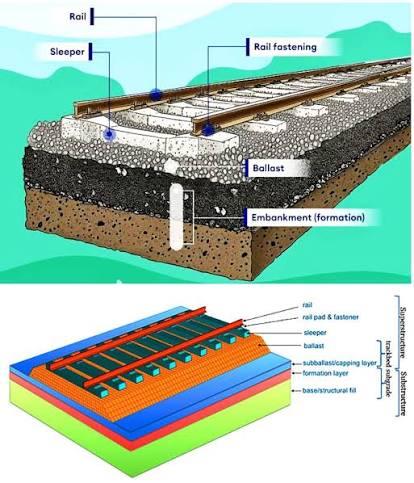
At the very top of any train track are the steel rails. Typically engineered with an asymmetrical I-beam profile, these rails provide a continuous, smooth surface that minimizes wheel friction.
But their job goes beyond just guiding the locomotive. The steel rails are the primary point of contact that absorbs the initial impact of the train’s weight, immediately dispersing these tremendous forces downward to the supporting structure beneath.
2. Sleepers and Ties: The Backbone of Gauge Integrity
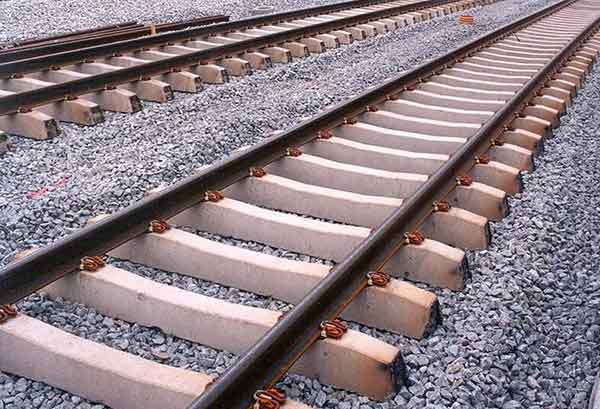
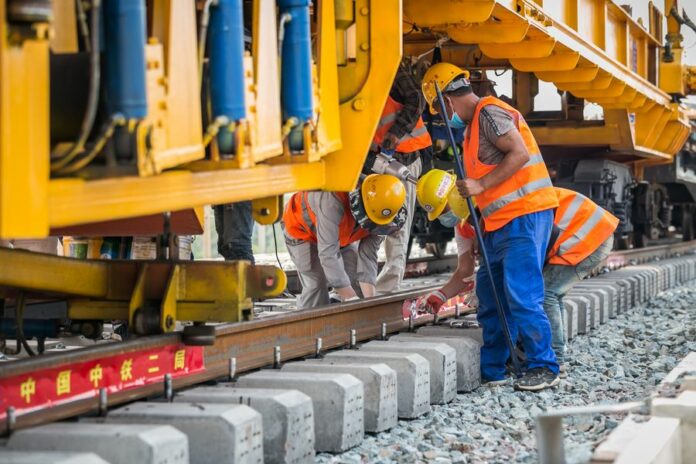
Positioned perpendicularly beneath the rails are the railroad ties, also known as sleepers. While traditional train track construction relied heavily on timber, modern high-stress lines predominantly utilize pre-stressed concrete or advanced composite materials.
Sleepers serve a dual purpose:
They lock the steel rails in place to maintain a precise track gauge (the distance between the rails).
They possess a calculated elasticity—flexing slightly under the immense weight of a passing train and springing back into shape to cushion the structural impact.
3. Rail Fastening Systems: The Unsung Heroes of Stability
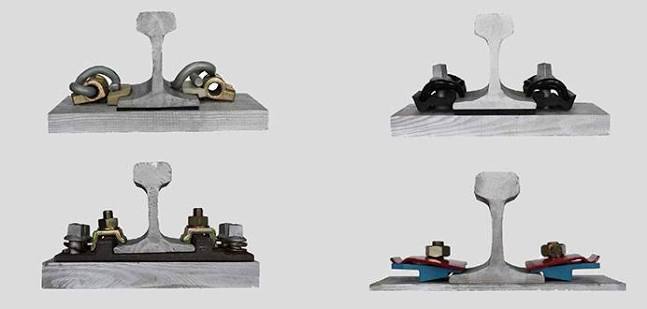
A train track cannot function safely without a reliable fastening network. This system includes a variety of specialized components such as elastic rail clips, heavy-duty clamps, tie plates, rubber rail pads, and joint bars (fishplates).
Together, these fasteners secure the rail firmly to the sleepers. By providing strong clamping force, they prevent the track from shifting laterally or longitudinally, absorb high-frequency wheel vibrations, and significantly delay track deformation over time.
4. Railroad Turnouts (Switches): Directing the Traffic Flow
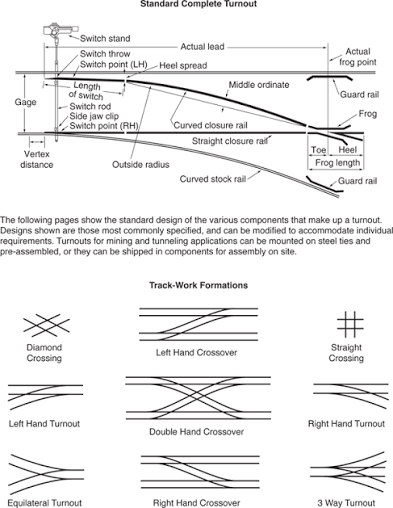
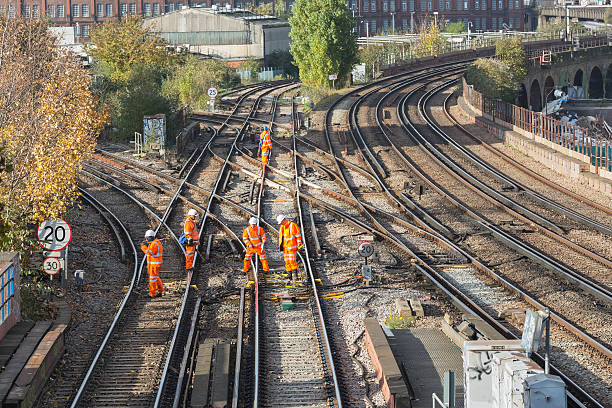
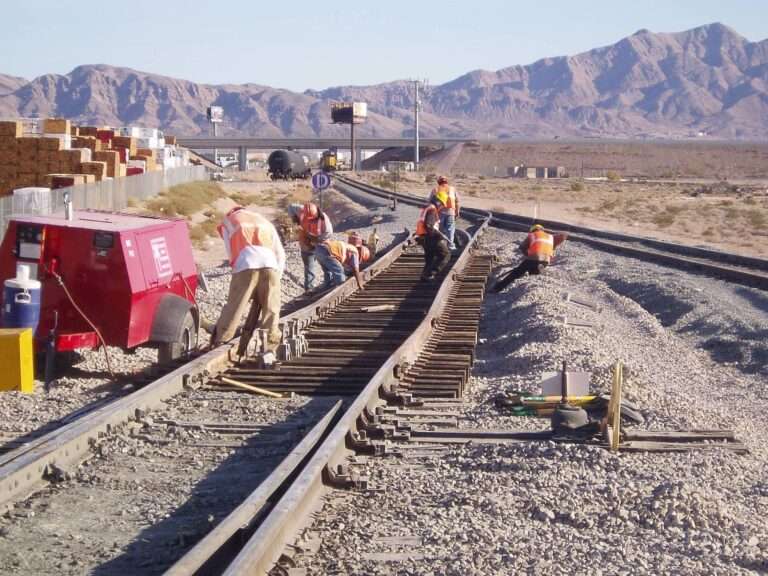
A dynamic railway network requires flexibility, which is where turnouts or switches come into play. These specialized train track mechanisms allow a train to seamlessly guide from one line to another.
By installing turnouts, rail networks can maximize their track capacity, allowing trains to bypass one another at stations, switch between transit lines, and navigate complex railyards safely.
5. Ballast and Subgrade: The Ultimate Foundation
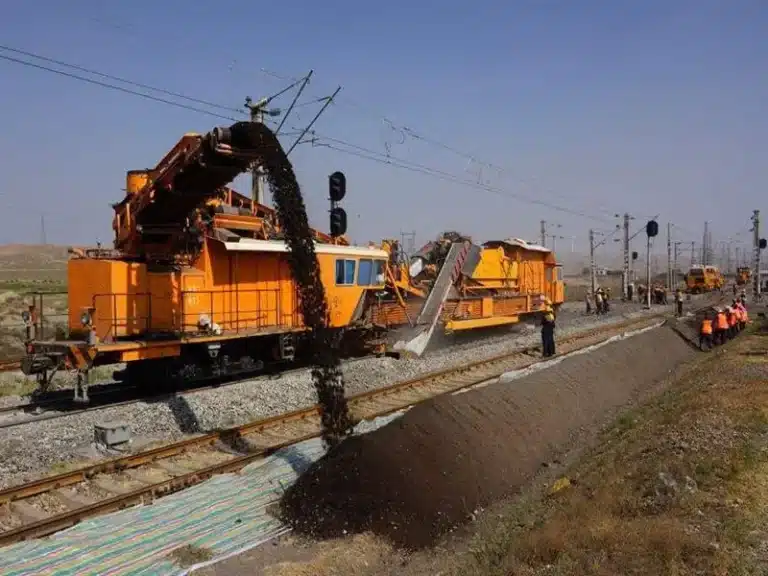
The crushed stone base surrounding the sleepers is called the ballast bed, resting on top of the natural ground infrastructure known as the subgrade.
The ballast layer performs several critical functions for the train track:
It forms a stable yet flexible bed that evenly distributes weight to the soil below.
It prevents track shifting by anchoring the ties firmly in place.
It provides rapid drainage for rainwater to prevent soil erosion and mud pumping.
它 naturally blocks weed growth from disrupting the track structure.
Conclusion: Engineering Longevity into Modern Rail Infrastructure
Every component of a train track works in perfect harmony to ensure operational efficiency and safety. For railway operators and maintenance teams, choosing high-performance components—from optimized rail profiles to resilient fastening clips—is the key to reducing lifecycle costs and preventing slow-zones.