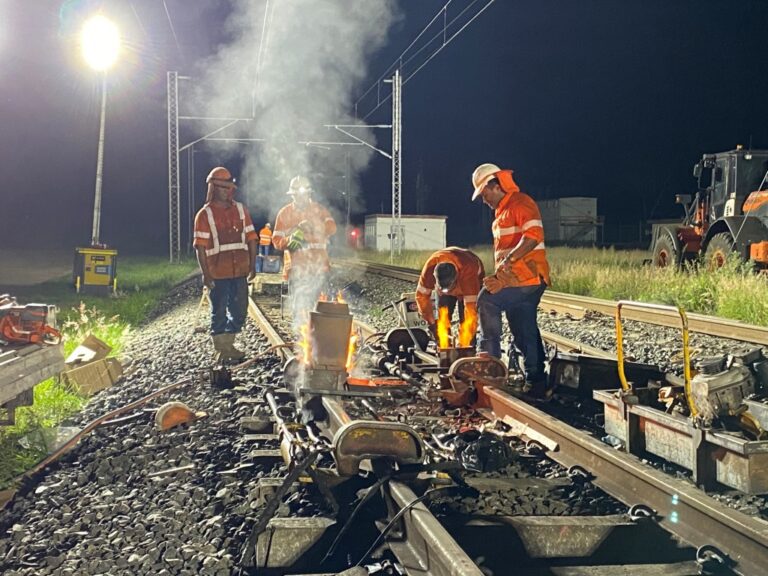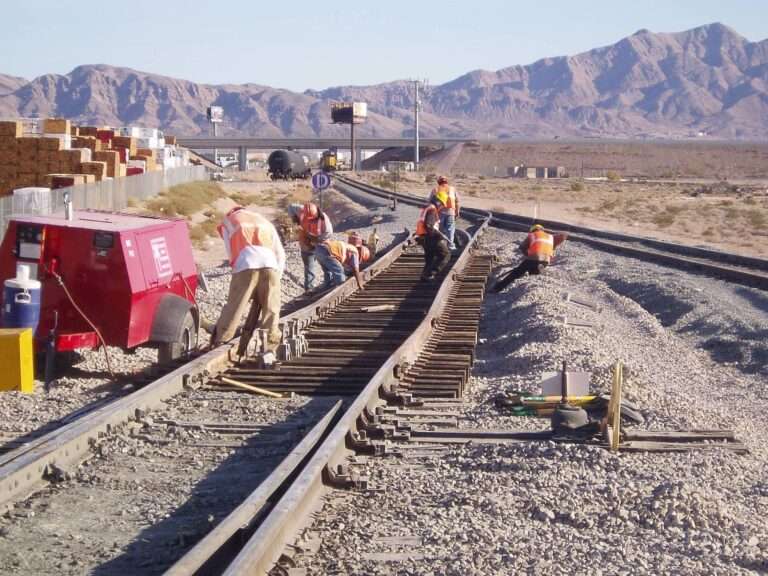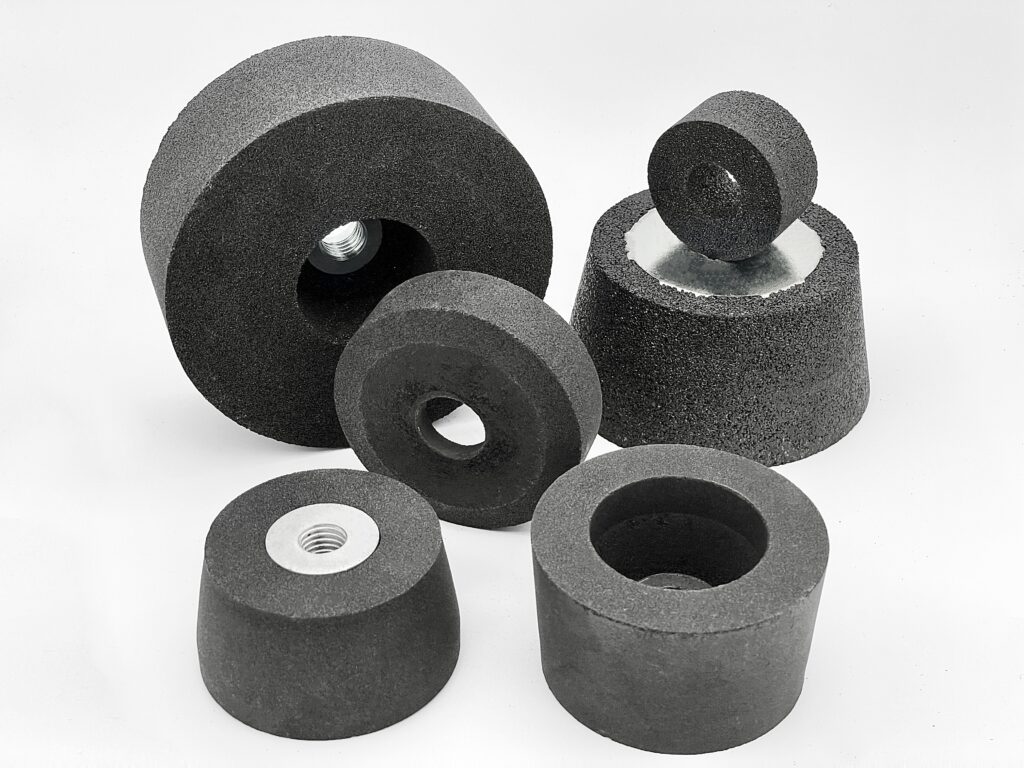
In modern precision manufacturing and railway maintenance, the grinding wheel stands as one of the most critical components for material removal and surface finishing. Whether you are aiming for high-speed stock removal or achieving mirror-like surface roughness, selecting and understanding the right abrasive tool is paramount to operational efficiency.
In this comprehensive guide, we break down the fundamental characteristics, diverse types, and essential maintenance practices of the industrial grinding wheel.
1. The 5 Key Characteristics of a Grinding Wheel
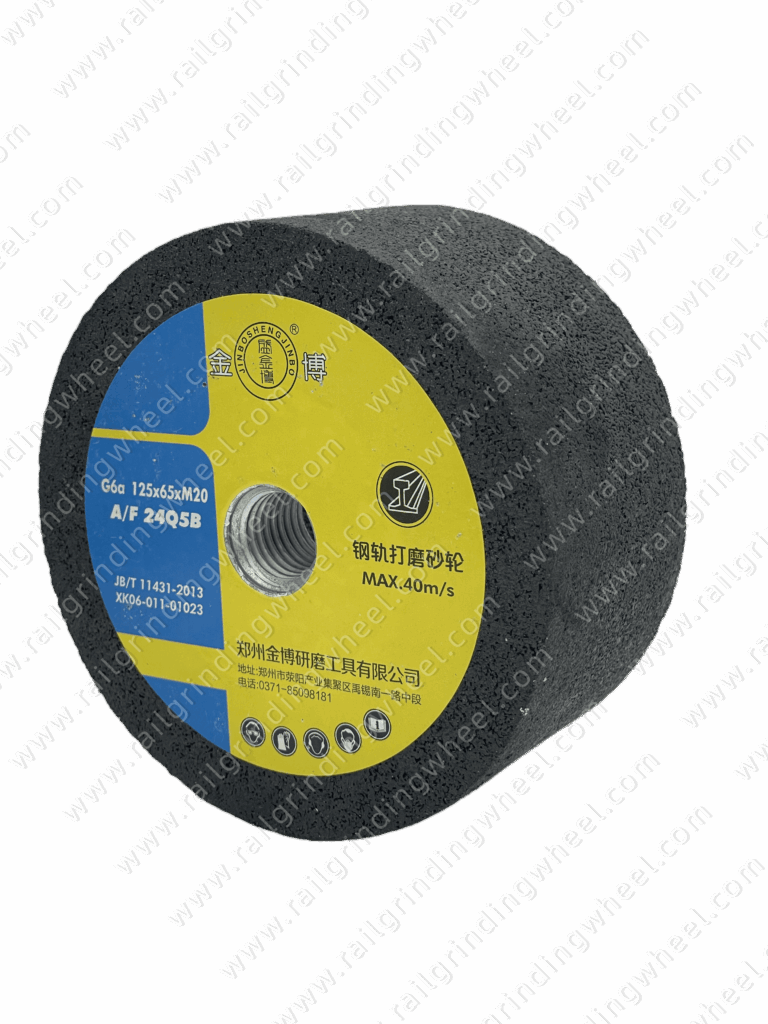
Every grinding wheel is engineered with a specific code on its label, which defines its performance and material compatibility. Understanding these five primary traits ensures you select the perfect wheel for your technical application:
Abrasive Material
The core aggregate of the wheel determines which metals or materials it can efficiently cut.
Conventional Abrasives: Aluminum Oxide (A) and Silicon Carbide (S) are widely used for general metalworking. Aluminum oxide is ideal for high-tensile steels, while silicon carbide is preferred for non-ferrous metals and cast iron.
Superabrasives: Diamond (D) and Cubic Boron Nitride (CBN) wheels offer exceptional hardness and longevity, making them the industry standard for sharpening carbide tools and processing superalloys.
Grain Size (Grit)
Ranging from 10 (coarsest) to 600 (finest), grain size impacts both removal rate and surface quality. Coarse grains allow for fast, free-cutting material removal, whereas ultra-fine grits are reserved for high-precision finishing.
Wheel Grade (Hardness)
Rated from A (softest) to Z (hardest), the grade dictates how tightly the bond holds the abrasive grains. Harder wheels hold grains longer under high stress, while softer wheels shed worn grains quickly to expose sharp new edges, preventing heat build-up.
Grain Spacing (Structure)
Ranging from 1 (densest) to 17 (most open), the structure refers to the ratio of abrasive grains to the bond and air gaps (pores). Open-structure wheels provide excellent chip clearance and coolant flow, which is crucial for heavy-duty applications.
Bond Type
The bonding matrix holds the abrasive grains together. Common types include:
Vitrified (V): Glass-based, rigid, and resistant to water and oil.
Resinoid (B): Resin-based, flexible, and capable of operating at higher speeds—highly popular for heavy-duty grinding and cut-off applications.
Metal (M) / Plated (P): Used predominantly for superabrasive diamond and CBN wheels to achieve maximum structural integrity.
2. Common Types of Industrial Grinding Wheels
Depending on the machinery and workpiece geometry, grinding wheels come in various specialized shapes:
| Wheel Type | Primary Application | Key Feature |
| Straight Wheel | Cylindrical, centerless, and surface grinding. | Grinds on the outer periphery; standard for bench grinders. |
| Cylinder / Wheel Ring | Producing flat surfaces on vertical/horizontal spindle grinders. | Hollow-core design providing a wide grinding surface face. |
| Tapered Wheel | Thread and gear tooth grinding. | Gradually thickens toward the center to withstand high lateral loads. |
| Cup / Dish / Saucer | Cutter sharpening and tool-and-cutter grinding. | Specialized geometries for reaching complex tool flutes and joints. |
| Cut-off Wheel (切割片) | Rapid cutting of rebar, bolts, and raw metal stock. | Ultra-thin, self-sharpening wheels reinforced with radial fibers. |
| Mounted Points (磨头) | Deburring, die contouring, and internal diameter grinding. | Small wheels bonded to a metal shank for die grinders and hand drills. |
3. Usage, Maintenance, and Operational Safety
A grinding wheel operates under extreme centrifugal and mechanical stress. To maximize lifespan and ensure operator safety, two critical maintenance procedures must be performed regularly:
Trueing : This process restores the wheel’s grinding face to make it perfectly concentric and parallel to the machine’s reference plane, ensuring precise geometric accuracy on the workpiece.
Dressing : Over time, grains become dull or “loaded” with metal chips. Dressing removes the worn outer layer of the bond, exposing fresh, sharp abrasive grains to renew cutting efficiency.
Safety First
Because high-speed rotation carries an inherent risk of wheel breakage, all high-quality grinding wheels must adhere to rigorous mechanical strength standards (such as European safety benchmarks and DGUV testing regulations). Always inspect wheels for cracks via a “ring test” and ensure correct flange mounting with blotters before operation.
Conclusion
Choosing the right grinding wheel is a balance of science and engineering. By understanding your workpiece material, selecting the correct bond-and-grain combination, and maintaining proper trueing and dressing schedules, you can drastically reduce processing times and extend tool life.
Looking for high-performance, precision-engineered grinding consumables?
Explore our full catalog of industrial and specialized rail-specific grinding wheels designed to meet the toughest heavy-duty standards. Contact Us for customized specifications and bulk procurement inquiries.