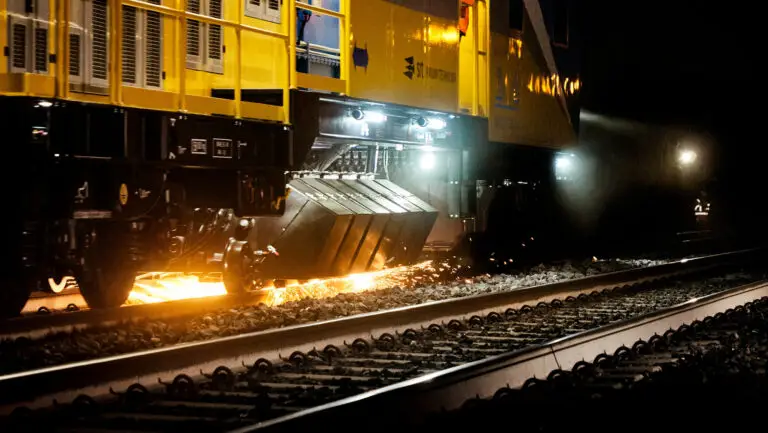
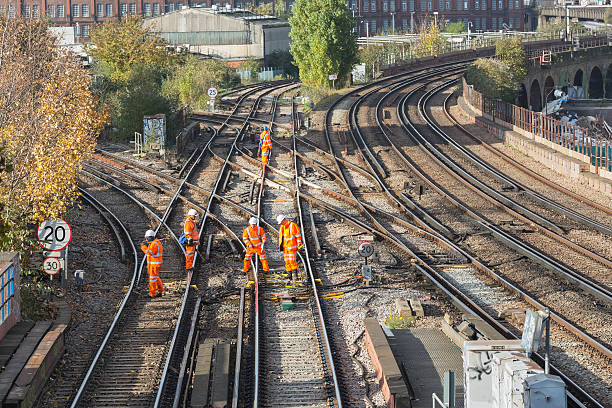
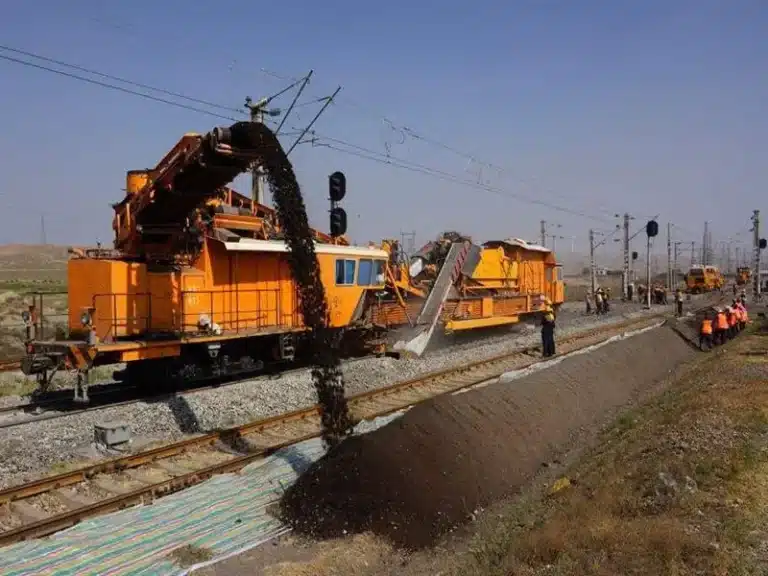
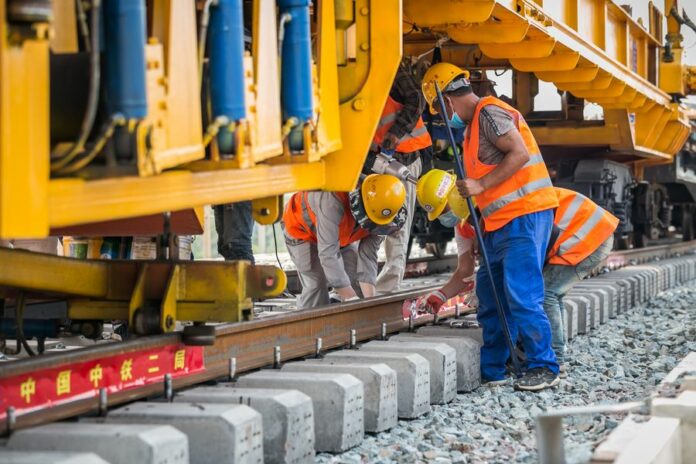
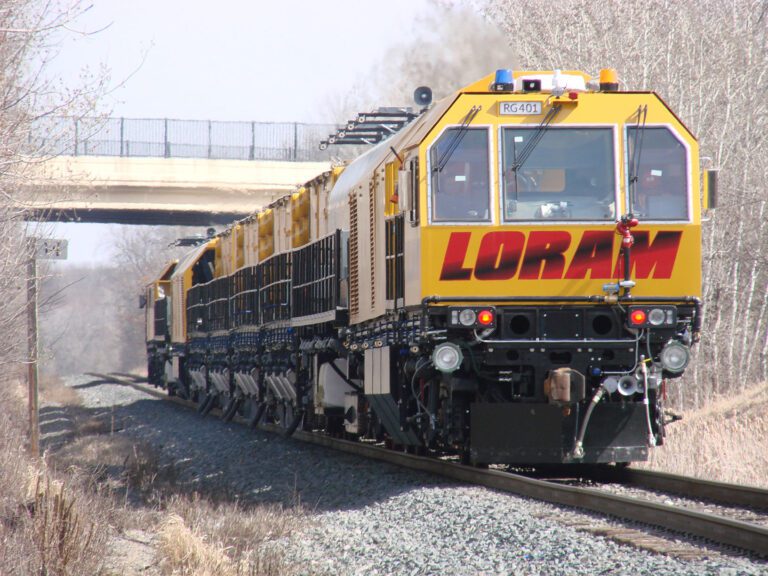
Laying rail tracks is a heavy-duty engineering process that transforms raw terrain into a stable, high-speed transportation artery. The modern method primarily relies on massive, automated Track Laying Trains that function as mobile assembly lines.
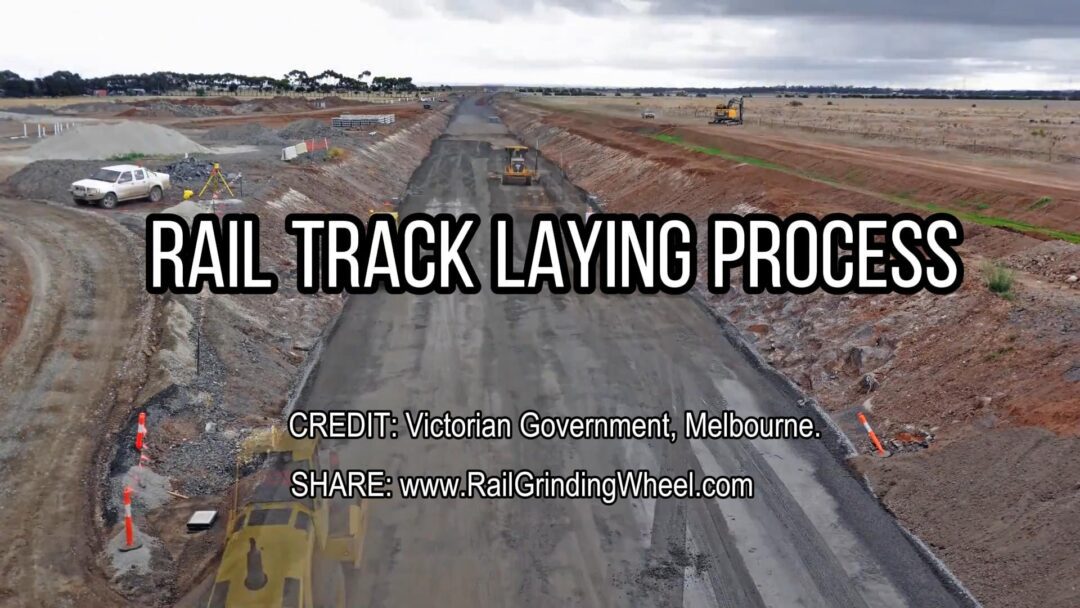
1. Site Preparation & Subgrade
Before any metal touches the ground, the land is surveyed and leveled.
- Earthwork: Embankments or cuttings are created to ensure a steady grade.
- Blanket Layer: A layer of sand or stone dust, often with geotextiles, is laid to prevent soil from mixing with the ballast and to provide drainage.
2. Ballast & Sleeper Placement
- Bottom Ballast: A base layer of crushed stone (ballast) is spread and compacted to support the weight of the train.
- Sleepers (Ties): Concrete or timber sleepers are laid at precise intervals. In modern setups, sleeper gantry cranes automatically drop them onto the ballast bed with exact spacing.
3. Rail Installation & Fastening
- Positioning: Long strings of steel rails are pulled forward and guided onto the sleepers.
- Fastening: Rails are secured using rail fastening systems like clips or spikes, which hold the rails at the correct gauge (width).
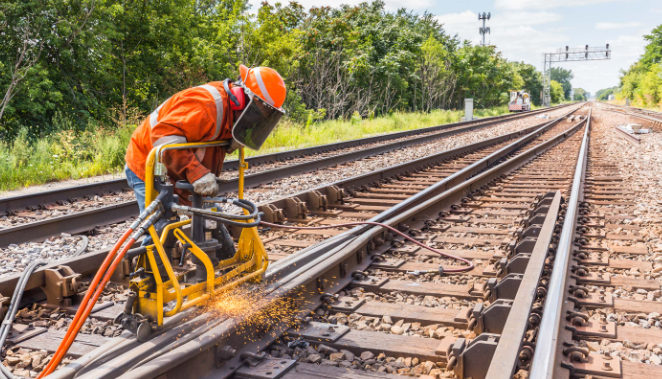
- Welding: To create a smooth ride, the rail ends are joined using Flash Butt Welding or Thermite Welding to form “Continuously Welded Rail” (CWR).
4. Final Alignment & Stabilization
- Top Ballast: More stone is added to fill the gaps between sleepers.
- Tamping: A tamping machine lifts the track slightly and vibrates the ballast underneath to pack it tight, ensuring the track is perfectly level and straight.
- Stabilization: A “Dynamic Track Stabilizer” simulates the weight of thousands of tons of traffic to settle the track immediately so it can be used at full speed sooner