Emergency Track Repair Protocol: A Comprehensive Guide
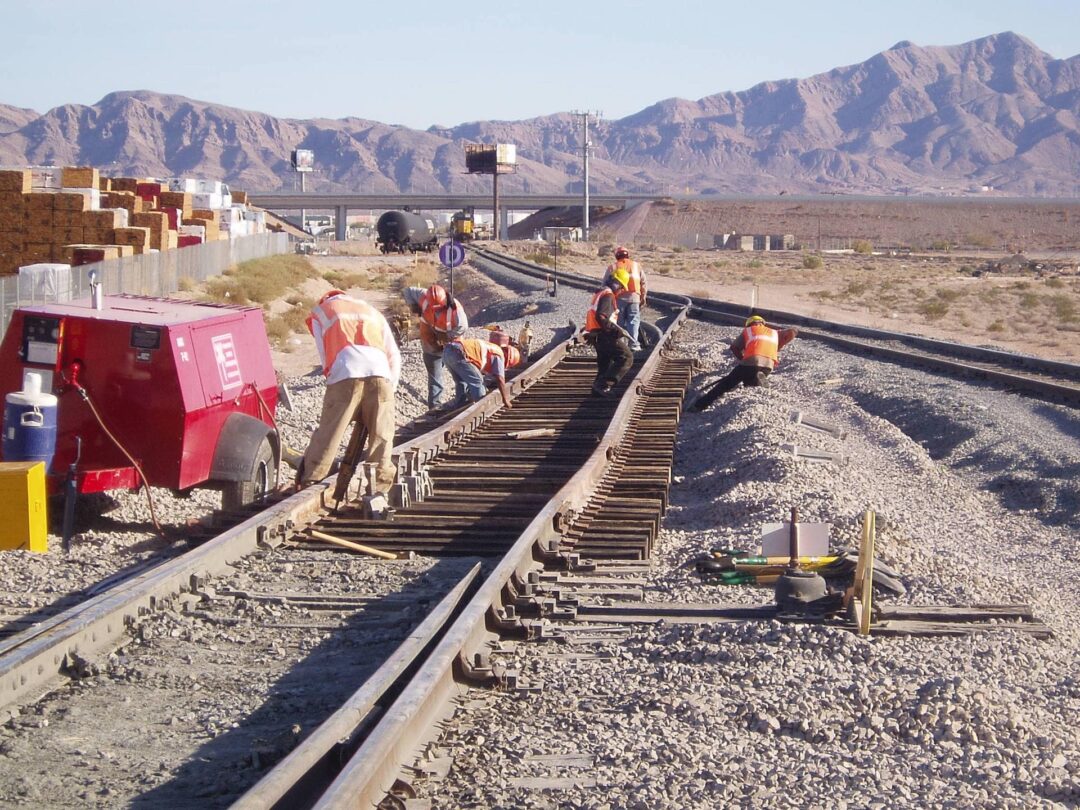
When a rail line experiences sudden shutdowns due to track failures, operational efficiency and safety are immediately compromised. Derailments, extreme weather damage, or aging infrastructure can trigger emergencies that halt services entirely. Federal Railroad Administration data indicates over 1,000 track-related incidents occur annually in the U.S., many leading to costly downtime and elevated safety risks. A well-defined action plan is critical when every second counts.
This guide outlines essential steps for managing emergency track repairs. It covers rapid situation assessment, operational impact mitigation, and collaboration with specialized contractors to restore functionality. Whether managing short-line railways or major freight networks, these protocols ensure a confident and efficient response.
Recognize Early Warning Signs and Act Decisively
Emergencies rarely occur without precursors. Key indicators—unusual vibrations, visible misalignments, loose fasteners, or abrupt speed restriction changes—should prompt immediate operational pauses and inspections.
If a failure occurs, prioritize safety: clear the area, suspend train movements, and notify dispatch and maintenance teams. Activate established emergency protocols without delay.
Assess Damage Systematically
Once the site is secure, conduct a preliminary visual inspection (if safe). Document observations thoroughly, including:
- Fractured rails or ties
- Eroded or displaced ballast
- Deviations in track gauge
- Buckled or obstructed rails
While not a substitute for professional evaluation, detailed documentation (supported by photographs) accelerates repair planning and resource allocation.
Engage Qualified Railway Contractors
Partnering with accredited railway contractors ensures access to specialized expertise and equipment. Reputable providers deliver:
- Rapid mobilization of personnel and tools
- Comprehensive safety and damage evaluations
- Temporary stabilization measures
- Timely permanent repairs
In an industry where downtime directly impacts revenue, experienced teams minimize disruptions while restoring full operational capacity.
Maintain Safety as the Central Priority
Emergency repairs often occur under high-pressure conditions, but safety compromises can exacerbate risks. Ensure contractors adhere to federally compliant safety standards, including FRA regulations and pressure-tested operational protocols. All personnel should receive training in track safety best practices to guarantee durable, reliable outcomes.
Implement Long-Term Preventive Strategies
Post-crisis analysis should identify root causes—drainage deficiencies, structural fatigue, or deferred maintenance. Use these insights to develop proactive measures:
- Upgrading outdated rails and ties
- Enhancing drainage infrastructure
- Scheduling predictive inspections
- Investing in robust ballast or accelerated response frameworks
Preventive maintenance plans tailored to specific rail lines reduce recurrence risks and future liabilities.
Evaluate Repair Versus Replacement
Not all failures warrant temporary fixes. For extensively damaged or chronically failing sections, full replacement or systematic upgrades may offer greater long-term value. A professional assessment can determine whether targeted repairs or comprehensive reconstruction better serve operational and economic goals.
Build Proactive Emergency Preparedness
While track emergencies are inherently disruptive, a structured approach minimizes operational impacts. Rapid decision-making, safety-focused execution, and collaboration with certified contractors distinguish prolonged outages from swift recoveries.
Pre-establish relationships with response teams, maintain asset inventories, and refine contingency plans through regular drills. Investing in preparedness today ensures resilience when unforeseen events occur tomorrow.