 Production & specialty rail grinding
Loram RGI Rail Grinder
The Loram RGI is a modular production and specialty rail grinder for commuter, freight and high-speed rail networks with clearance, curve-radius or axle-load constraints. Published configurations use 16–96 grinding motors and operate at 3–20 km/h.
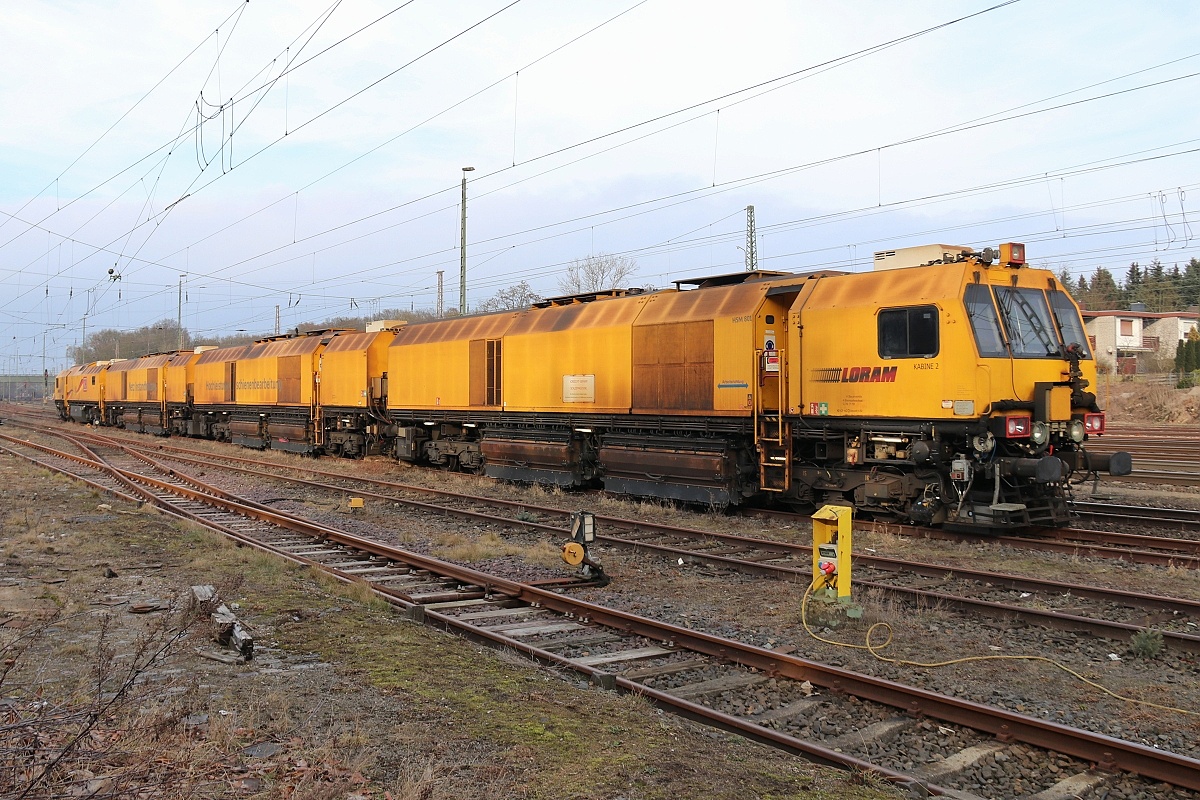
What is the Loram RGI?
The RGI is Loram’s reduced-footprint international grinding platform. Its modular design supports both production and specialty work where loading gauge, axle load or curve radius limits make a larger consist unsuitable. Loram publishes configurations from 16 to 96 grinding motors, with independent tilt-and-shift modules covering a 100-degree grinding range.
This entry focuses on the RGI platform and its published operating envelope. For a broader comparison of Loram machines, see the Loram rail grinding guide.
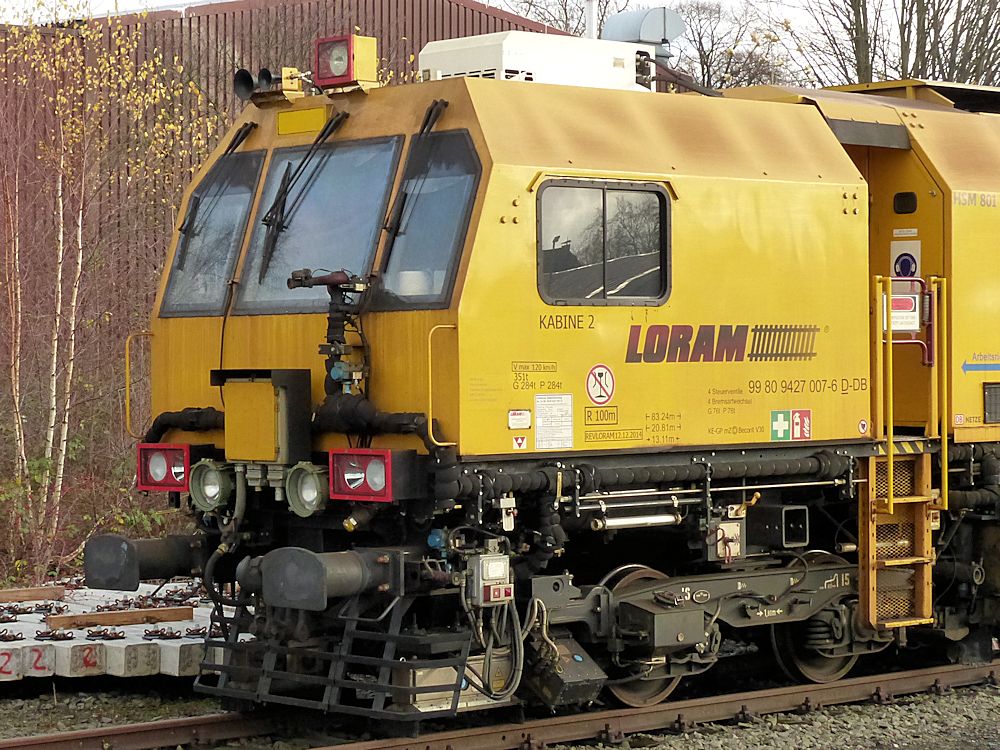
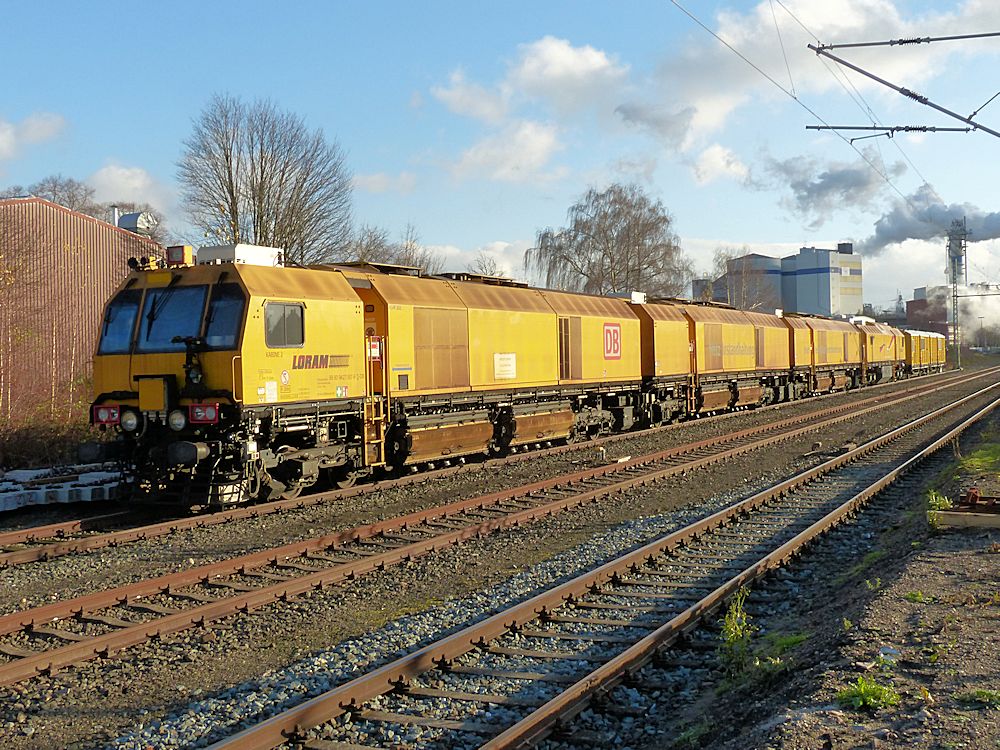
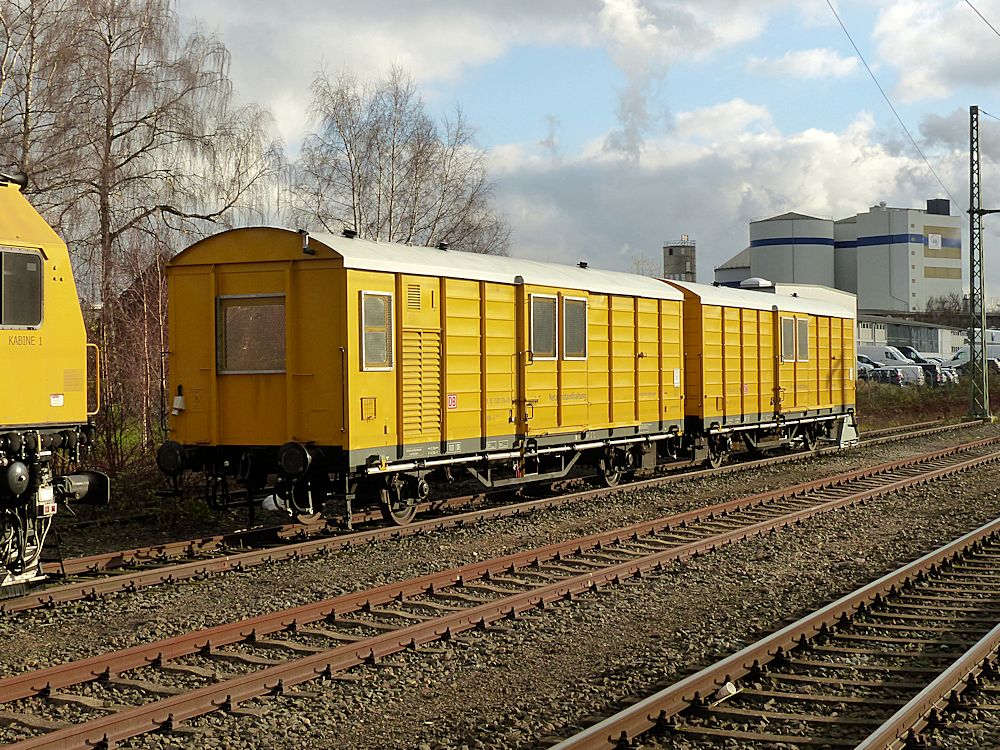
Loram RGI gallery
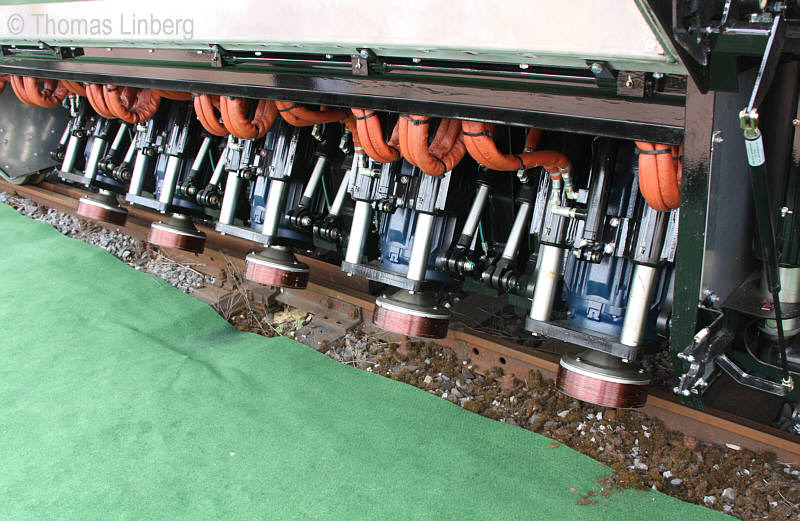
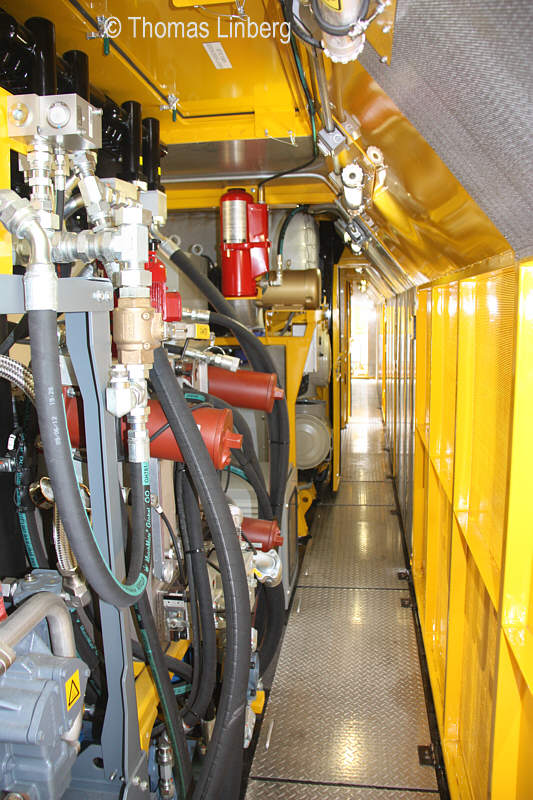
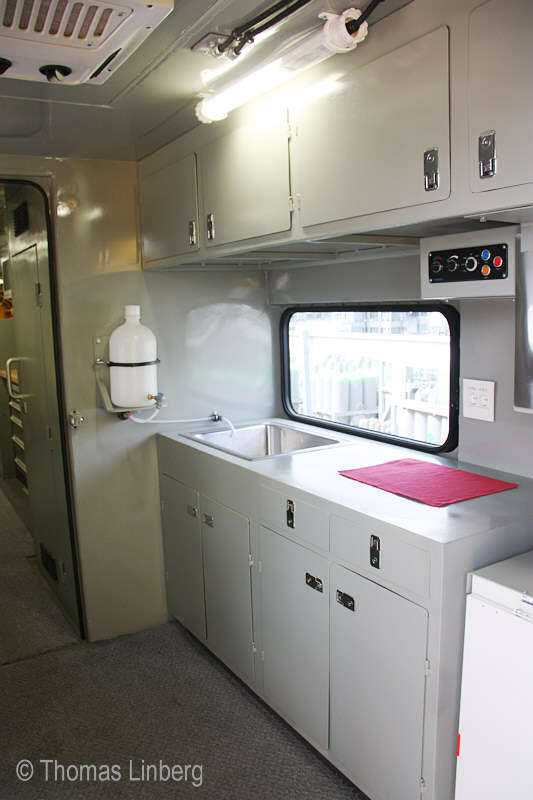
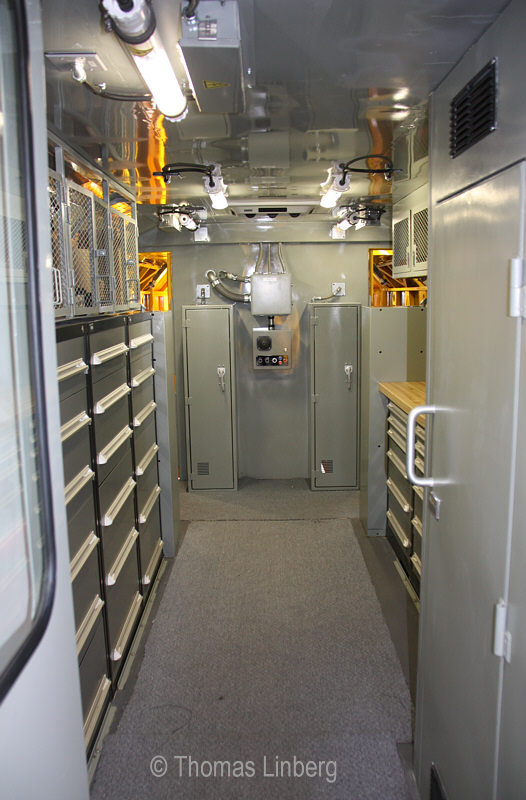
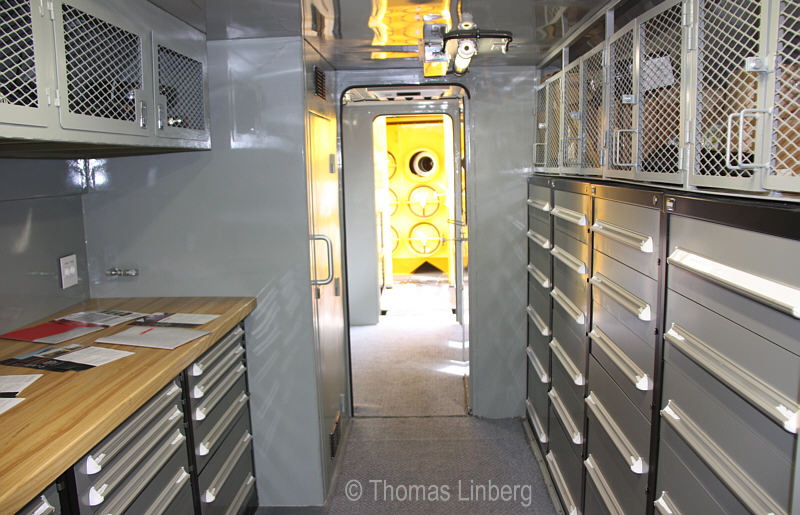
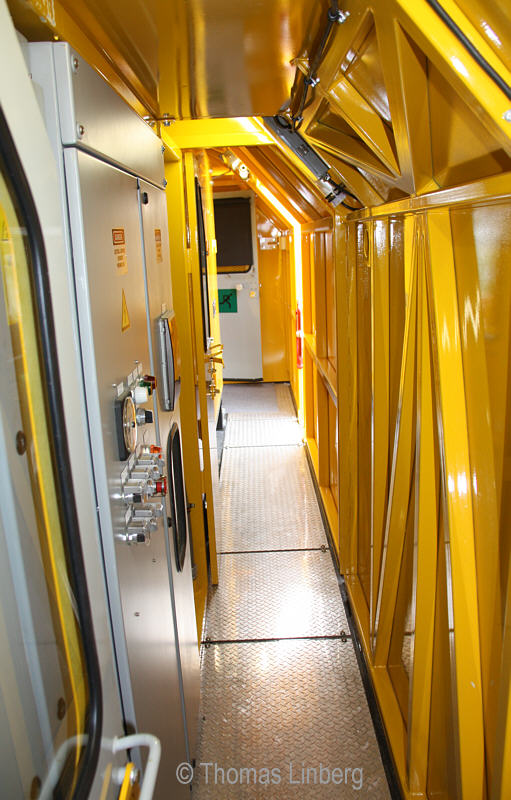
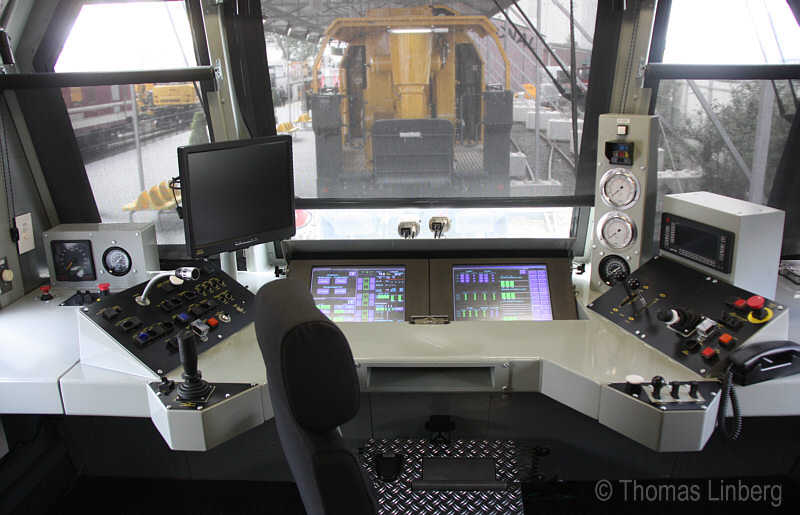
These photographs show RGI equipment in different operating and consist arrangements.
RGI key specifications
Values below are based on Loram’s published RGI material. Several values depend on the delivered consist and railway requirements; machine-specific documentation remains the controlling reference.
How the RGI grinding system works
Configure
The consist and number of grinding modules are selected for the railway’s clearance, axle-load and output requirements.
Position
Independent tilt-and-shift modules place the grinding stones across the required rail-head angles.
Grind
Electric motors apply rotary abrasive stones while the train moves through the planned grinding programme.
Verify
Rail measurement and the railway’s acceptance process confirm profile and surface-quality results.
Typical RGI applications
A reduced platform footprint for networks with tighter loading-gauge requirements.
Production or specialty grinding where compact curve-radius capability is important.
Preventive and corrective grinding on routes whose axle-load or clearance limits suit an RGI configuration.
Loram states that RGI grind quality is designed to meet EN 13231 requirements for high-speed applications.
RGI configurations and machine identification
RGI machines can be supplied with different numbers of grinding motors and may be joined in certain configurations to increase the working footprint. Confirm the equipment plate, fleet or serial information, grinding-head arrangement and operator documentation before specifying replacement consumables.
Loram RGI video
This video provides a visual reference for Loram rail grinding equipment in operation. Delivered equipment and operating programmes vary by railway.
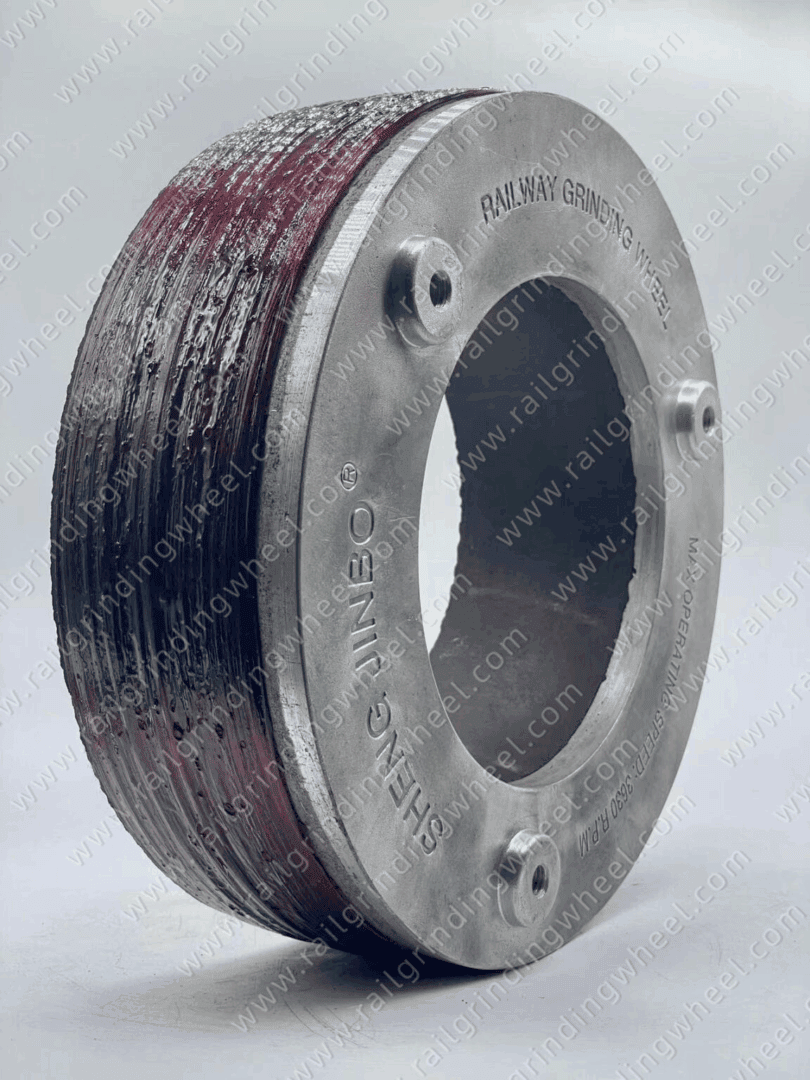
260 mm / 10-inch rail grinding wheel
A resin-bond zirconia grinding wheel for high-load rail grinding applications. This nominal size is associated with some Loram RGI applications, subject to verification against the individual machine, installed grinding head and approved drawing.
- Nominal size
- 260 mm / 10 inches
- Abrasive
- Zirconia alumina
- Bond
- Resin bond
- Maximum speed
- 50 m/s
Information required before ordering
Loram RGI FAQ
What is the Loram RGI?
It is a modular production and specialty rail grinder developed for networks with clearance, curve-radius or axle-load constraints.
How fast can an RGI grind rail?
Loram publishes a grinding speed range of 2–12 mph (3–20 km/h), depending on the application and delivered configuration.
How many grinding stones does the RGI use?
Published modular configurations use 16–96 grinding motors and stones.
What track gauges can the RGI support?
Loram publishes a configuration-dependent range of 1,000–1,600 mm (39.4–63 inches).
What grinding wheel size fits the Loram RGI?
A 260 mm or 10-inch wheel is a nominal reference associated with some Loram applications. Confirm complete dimensions, mounting interface, maximum RPM and machine documentation before ordering.
References
- Loram RGI product page — manufacturer overview, features and published operating data.
- Loram RGI specification sheet — manufacturer technical specifications.
- Loram rail grinding video — operational video reference.
- 260 mm / 10-inch wheel product page — complete wheel dimensions and product information.
- Loram rail grinding guide — related machines and application overview.