 Production rail grinding
Loram RG400 Rail Grinder
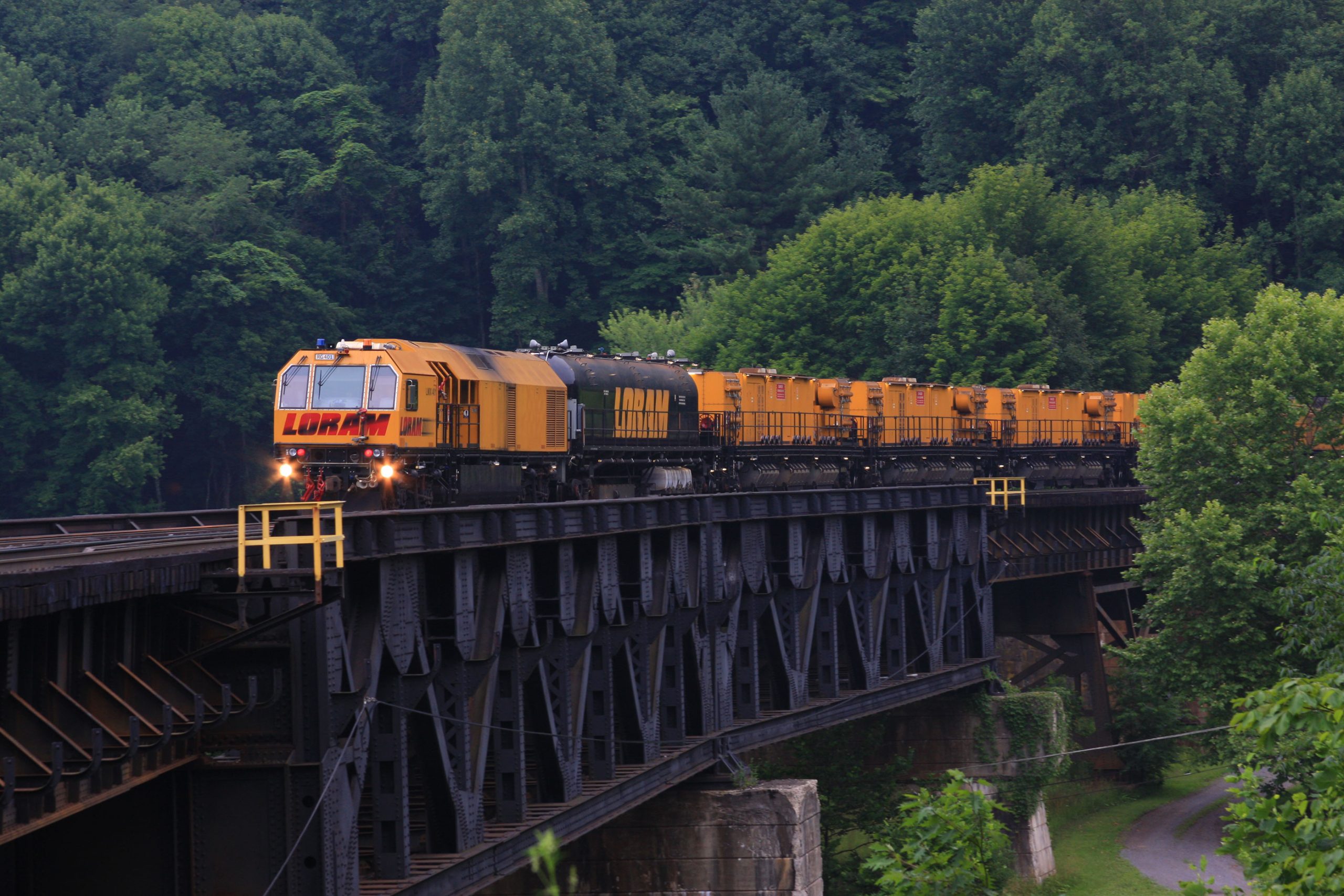
The Loram RG400 is a modular production rail grinding train for heavy-haul, freight and larger commuter railways. Published configurations use 60–120 grinding motors to support preventive grinding, corrective metal removal and rail-profile restoration.
What is the Loram RG400?
The RG400 is Loram’s high-output production grinding platform. A consist can be configured with multiple grinding modules and auxiliary cars for long mainline work windows. Independently controlled electric motors position abrasive stones across the rail head while measurement and control systems support the planned profile and metal-removal programme.
This page documents the RG400 model itself. For a comparison of Loram’s production, specialty and transit families, see the Loram rail grinding guide.
Loram RG400 Series gallery
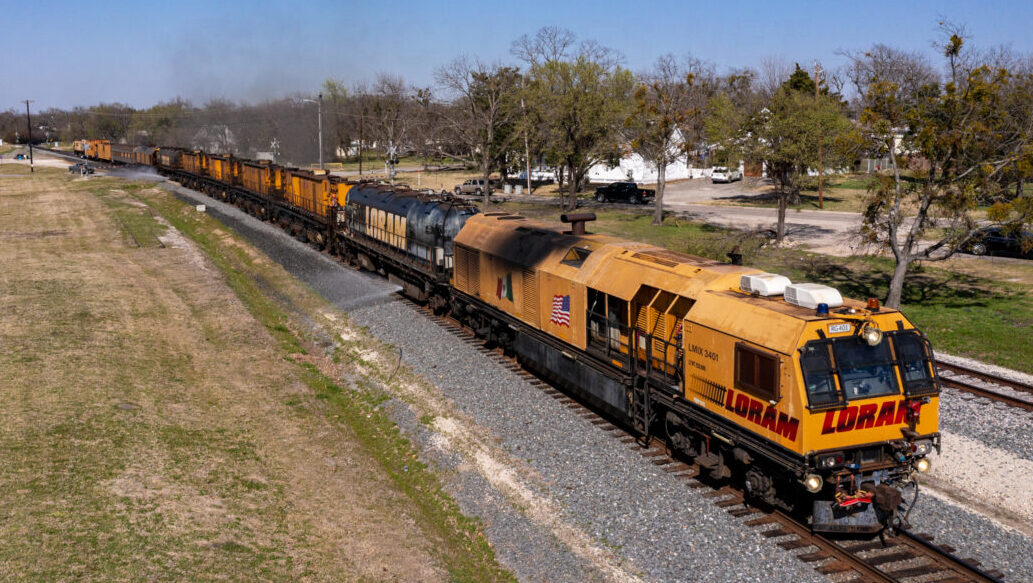
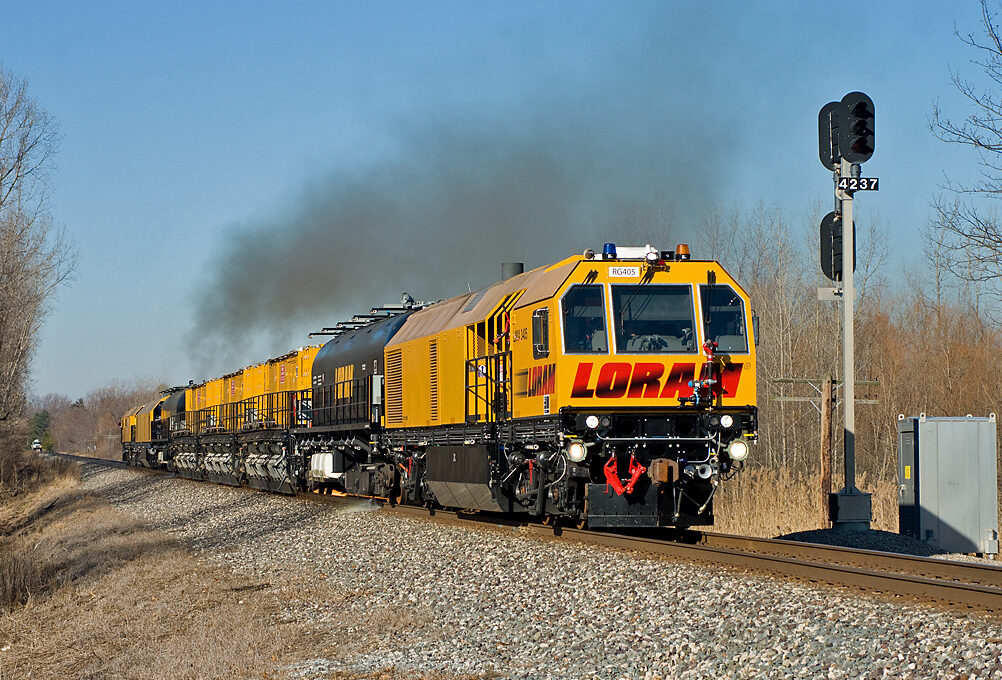
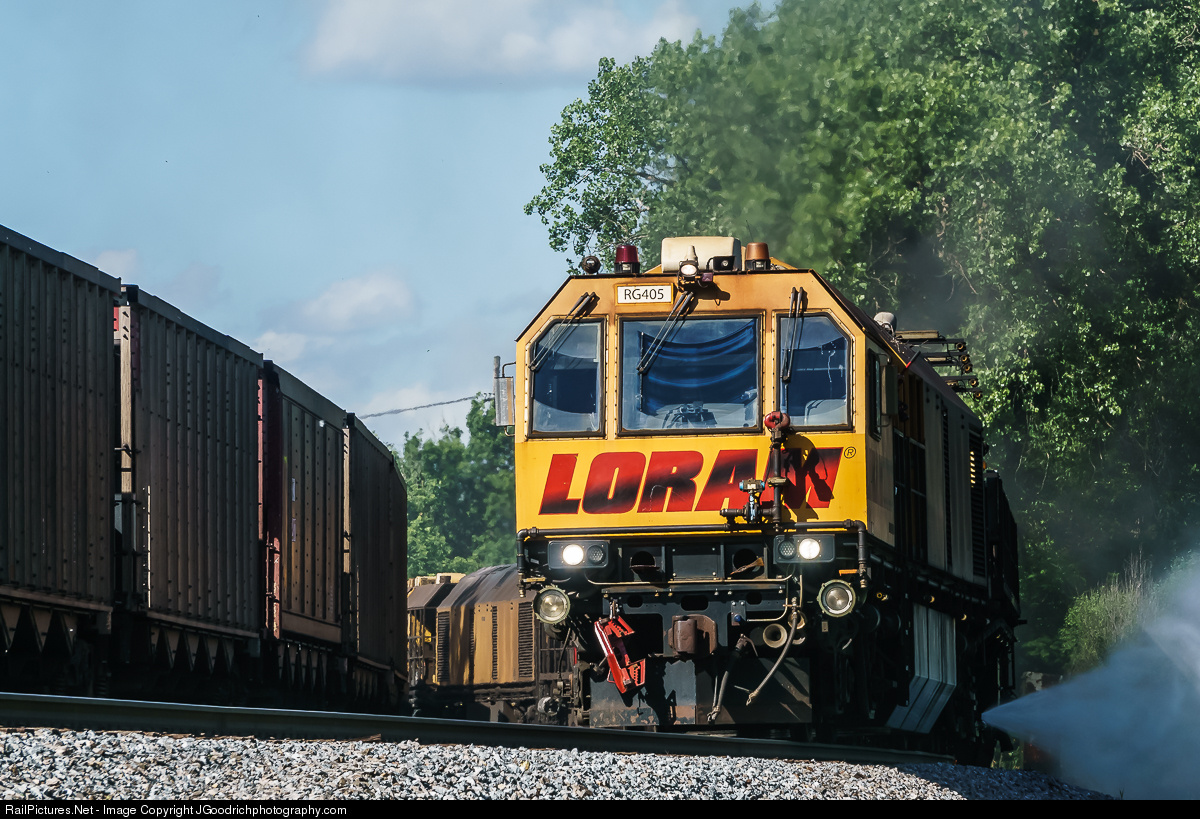
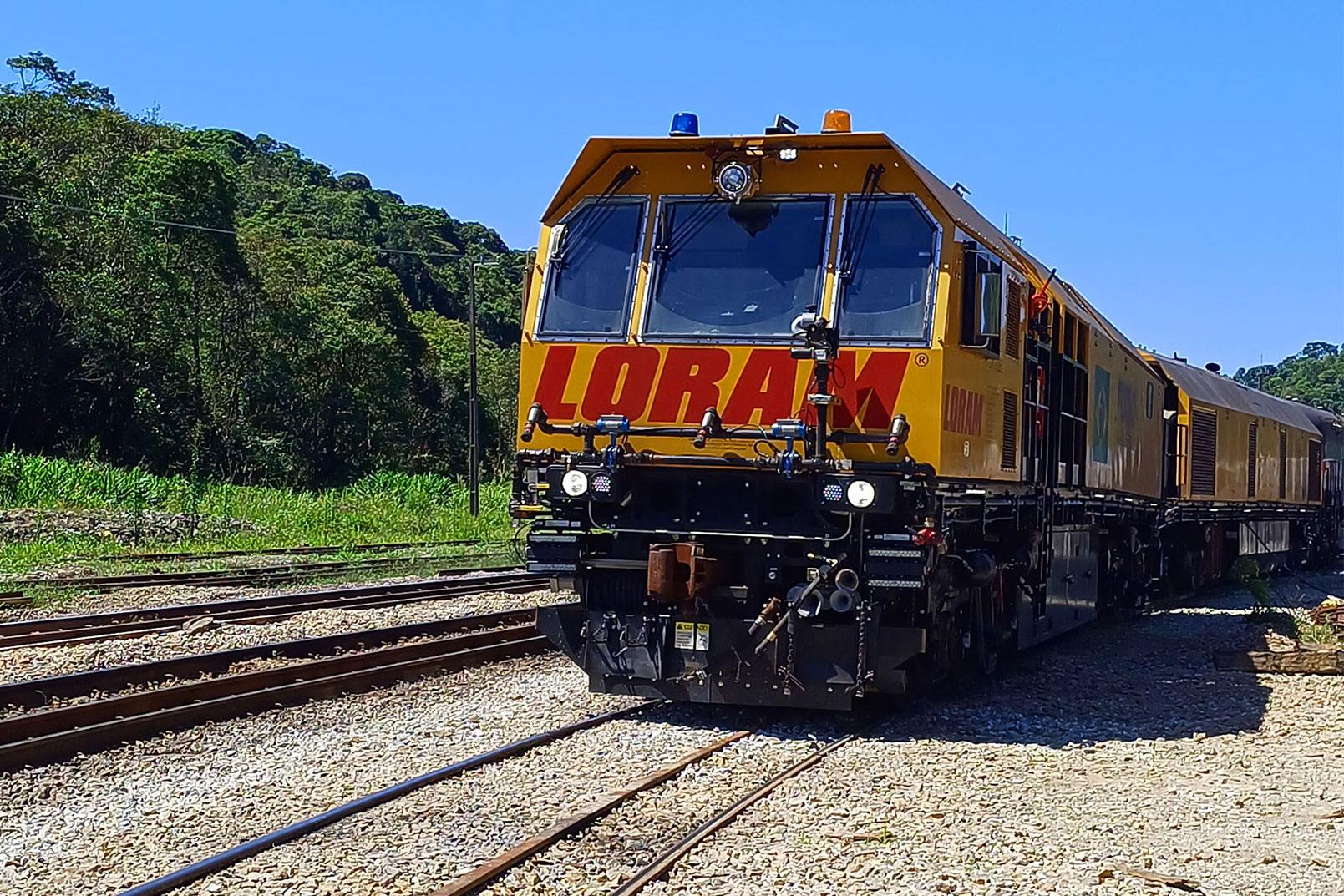
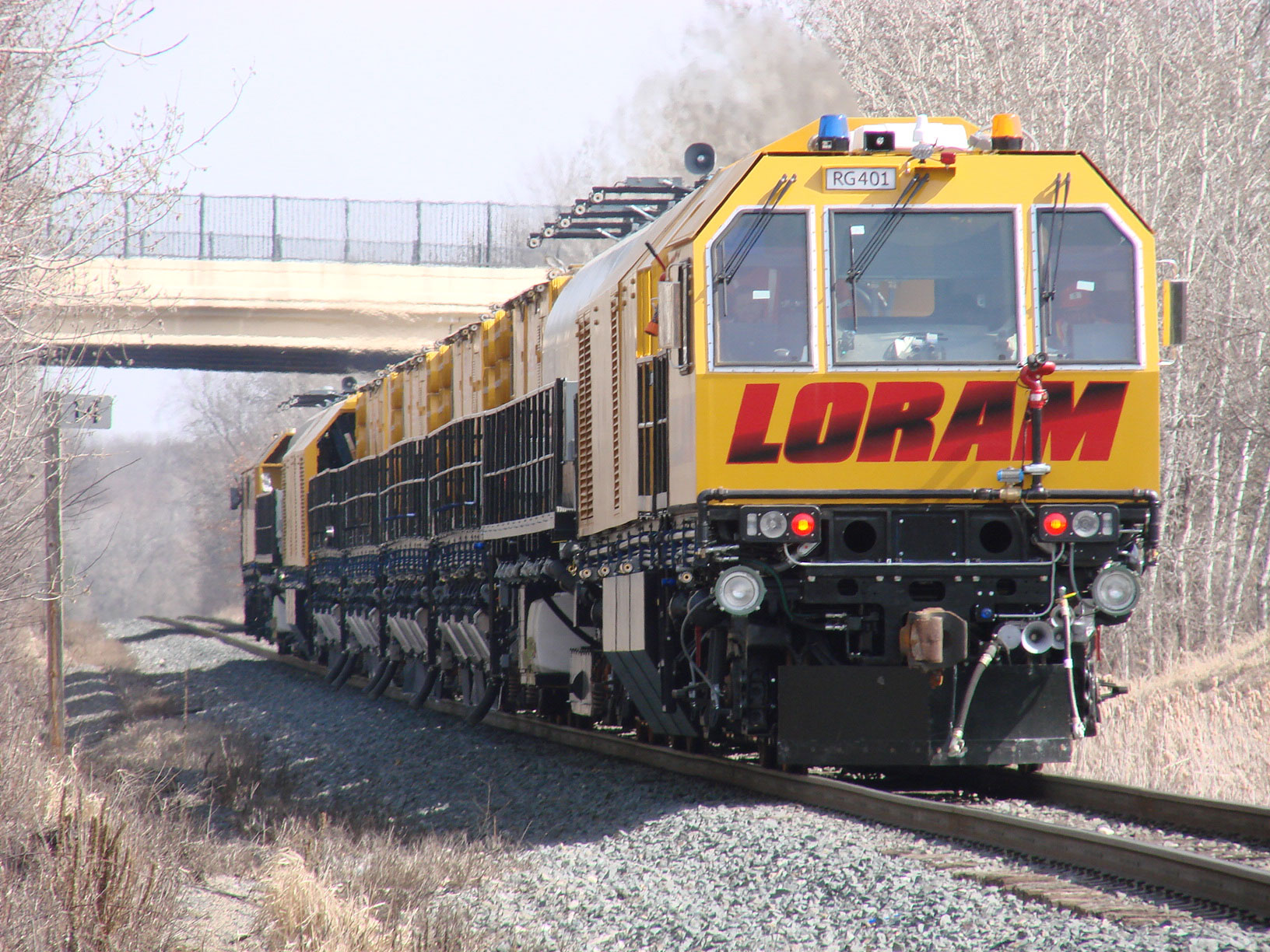
The gallery shows individual RG400 Series vehicles identified as RG401, RG405 and RG422.
RG400 key specifications
Values below are taken from Loram’s published RG400 material. Delivered configurations and working results can vary, so the individual machine documentation remains the controlling reference.
How the RG400 grinding system works
Measure
Rail measurement and vision systems establish the existing condition and help verify grinding quality.
Plan
The grinding programme defines target profile, motor angles, metal removal and the required passes.
Grind
Electric grinding motors apply abrasive stones across the gauge, crown and field sides of the rail head.
Verify
Post-grind measurements are used to check the achieved profile against the programme requirements.
Typical RG400 applications
Frequent controlled treatment intended to manage surface damage before deeper correction is required.
Multiple-pass work for established defects and profile deviation, subject to the grinding programme.
High-output work on long mainline sections where available track time is limited.
Production grinding where clearance, gauge and axle-load requirements suit the delivered configuration.
RG400 configurations and vehicle numbers
Photographs may identify machines such as RG401, RG405 or RG422. These markings can refer to individual RG400 Series vehicles or fleet configurations; they are not, by themselves, a complete technical specification. Use the equipment plate, serial information and operator documentation when confirming consumables.
Loram RG400 Series video
This video provides a visual reference for the RG400 Series in operation. Operating results and machine configuration vary by railway, work programme and delivered equipment.
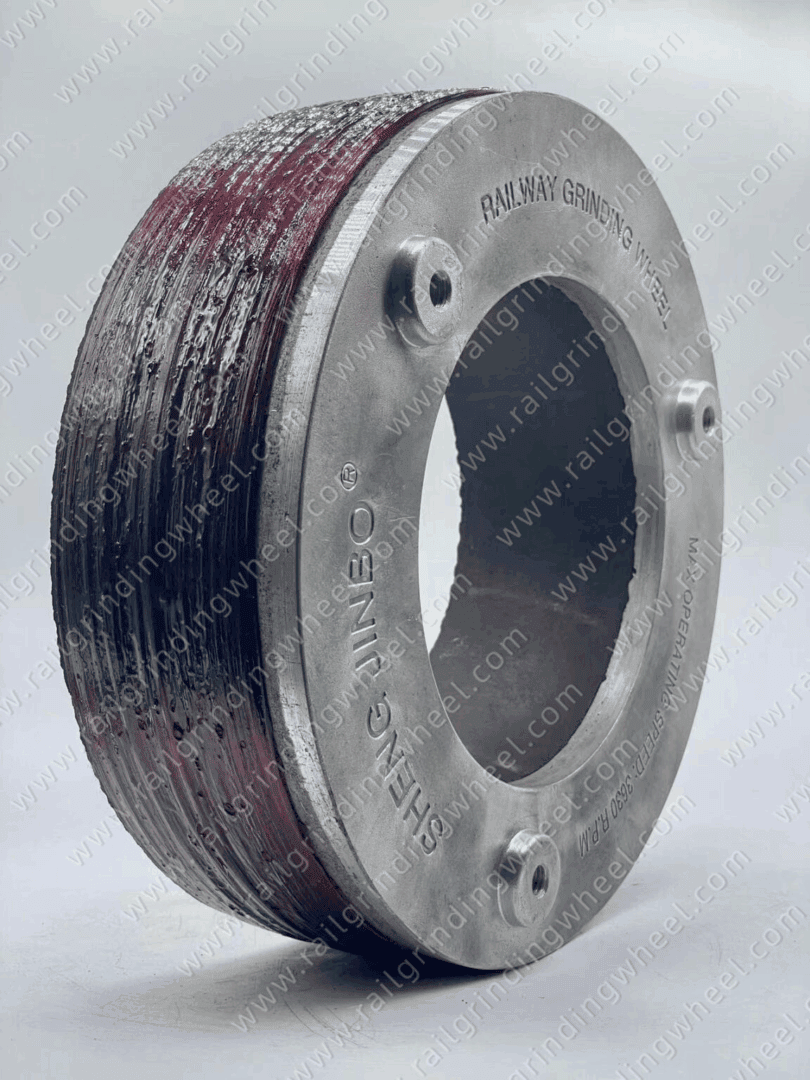
260 mm / 10-inch rail grinding wheel
A resin-bond zirconia grinding wheel produced for high-load rail grinding applications. This nominal wheel size is referenced for Loram RG and RGI systems, subject to verification against the individual machine and installed grinding head.
- Nominal size
- 260 mm / 10 inches
- Abrasive
- Zirconia alumina
- Bond
- Resin bond
- Maximum speed
- 50 m/s
Information required before ordering
Loram RG400 FAQ
What is the Loram RG400?
It is a modular high-output production rail grinding train designed for heavy-haul, freight and larger commuter railways.
How fast can an RG400 grind rail?
Loram publishes a grinding speed range of 3–20 mph (5–32 km/h), depending on the application and delivered configuration.
How many grinding stones does the RG400 use?
Published modular configurations use 60–120 grinding motors and stones.
What grinding wheel size fits the Loram RG400?
A 260 mm or 10-inch wheel is a useful nominal reference for some Loram systems. Confirm the complete wheel dimensions, mounting interface, RPM and machine documentation before ordering.
Are RG401, RG405 and RG422 separate specifications?
They are shown here as individual RG400 Series vehicles or fleet configurations. A vehicle number alone is not a complete technical specification.
References
- Loram RG400 product page — manufacturer overview and published machine data.
- Loram RG400 specification sheet — manufacturer technical specifications.
- RG400 library entry — reference photographs and page archive.
- RG400 Series video — machine operation video reference.
- 260 mm / 10-inch wheel product page — complete wheel dimensions and product information.
- Loram rail grinding guide — related models and application overview.